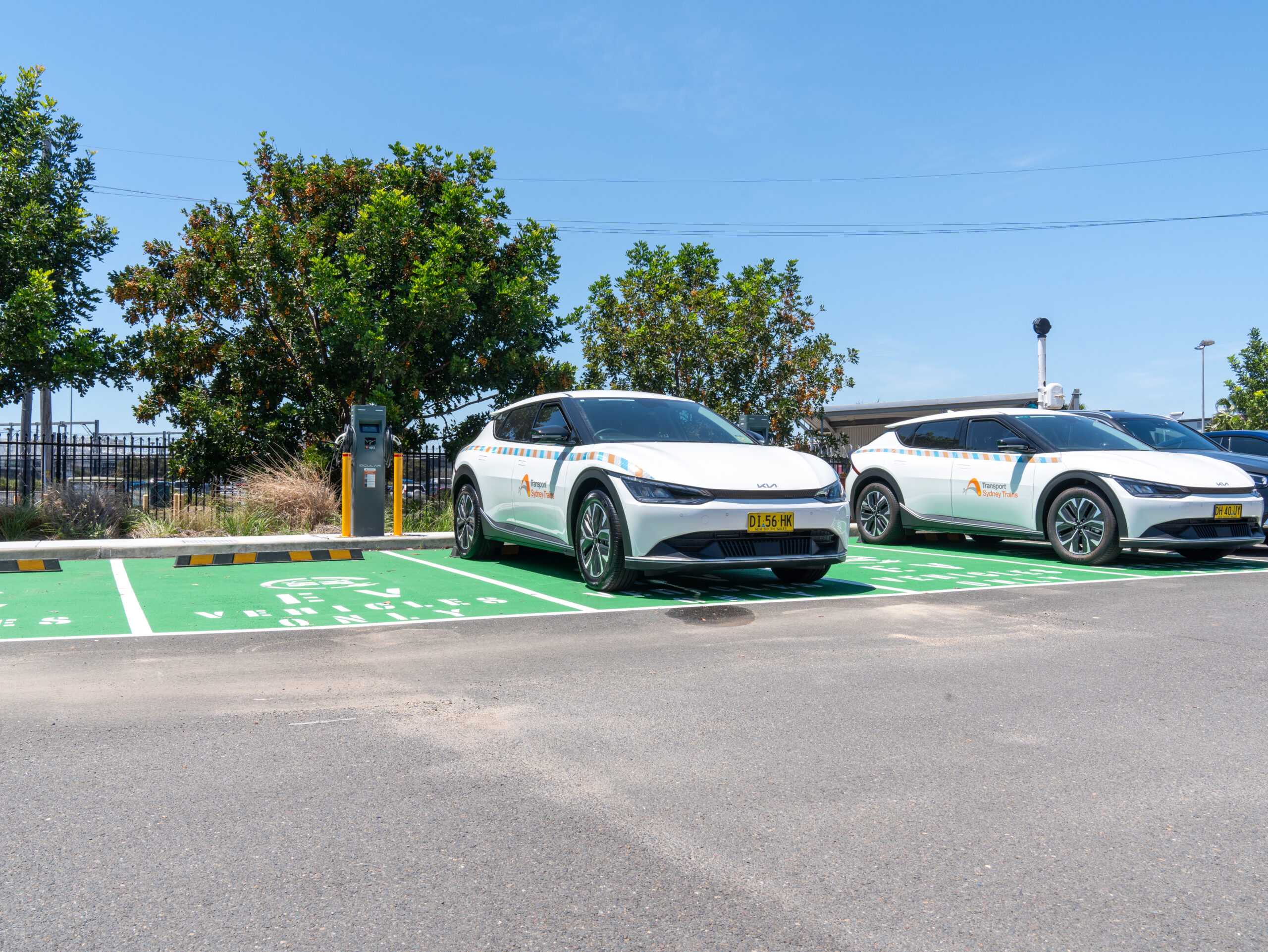
The transition to electric vehicles (EVs) in Australia is well underway. With over 100,000 EVs purchased in 2024 alone, this shift is not only visible, it’s accelerating. For fleet operators, this presents both an opportunity and a challenge: how to plan effectively, manage risk, and ensure business continuity during the transition.
Understanding the Business Drivers
Lower running costs, reduced maintenance, and growing financial incentives are making EVs an increasingly viable option for fleets. At the same time, emerging emissions requirements and policy changes are creating additional pressure to act.
Many organisations are now re-evaluating their fleet strategies to better align with environmental goals, compliance expectations, and operational efficiency targets.
The Complexity Behind the Transition
Fleet electrification is not a simple hardware upgrade, it involves changes to systems, processes, and infrastructure. From driver education and energy management to charging access and reimbursement models, each step must be carefully planned and executed.
Selecting the Right Charging Solution
Choosing a charging partner with the right expertise is essential. The process includes far more than installation, it involves long-term planning, software integration, monitoring, and support to ensure performance across all operating environments.
EVSE works with leading fleet operators, local governments, and private businesses to deliver end-to-end charging solutions tailored to their needs. Through our partner software platform Exploren, we offer smart energy management and real-time visibility across your fleet’s charging ecosystem – at home, at work, and on the road.
For a deeper look into how to successfully plan, implement, and manage EV charging for your fleet, download our Fleet Charging Whitepaper here.