Local councils across Australia are at different stages of EV charging deployment. Some have been running public charging networks for several years and are now expanding or upgrading. Others are at the planning stage, navigating a combination of grant funding processes, community expectations, procurement rules, and uncertainty about which technology choices will hold up over the next decade.
This guide covers the practical questions councils face when planning or expanding EV charging infrastructure, including infrastructure options, relevant grant programs, common planning mistakes, and what the deployment experience of other Australian councils has looked like in practice.
Why Councils Are Expanding EV Charging Now
Two forces are accelerating council EV charging decisions in 2026. The first is rising community demand: EV ownership is growing rapidly in Australia, and EV-driving residents and visitors expect charging access in town centres, car parks, and recreation areas in the same way they expect to find ATMs and pay parking facilities.
The second is funding availability. State and federal programs, including ARENA’s Driving the Nation Fund, various state transport and energy agency programs, and in some cases the National Electric Vehicle Strategy initiatives, have made 2024 to 2027 a relatively strong window for councils to access co-funding for public charging infrastructure.
Infrastructure Options for Councils
Public Car Park AC Charging
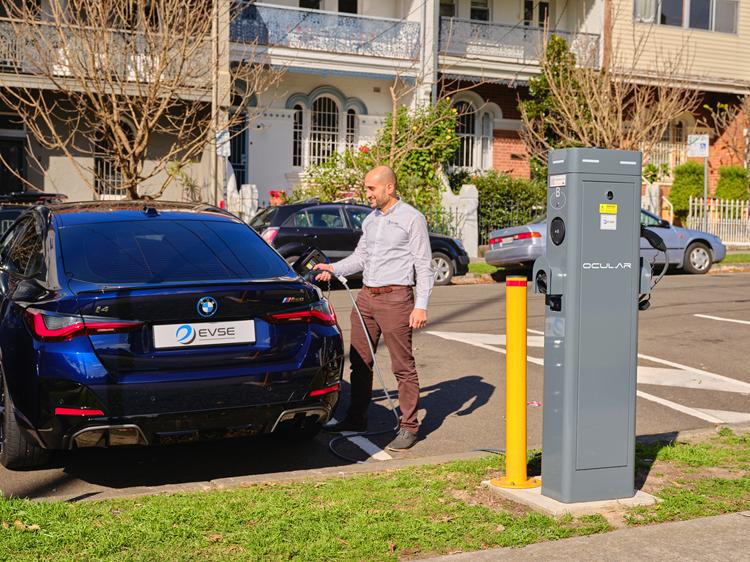
22kW AC chargers in council-managed car parks are the most common starting point for local government EV charging. They suit the typical two to four hour dwell time of a car park visitor, are relatively low cost to install, and can be deployed in meaningful numbers on a standard council budget.
For a car park with 200 spaces, installing 10 to 20 AC chargers (representing five to ten percent of spaces) is a reasonable starting allocation for 2026, with infrastructure designed to support expansion to 30 percent as demand grows. Designing the electrical infrastructure for future expansion upfront costs materially less than retrofitting later.
Town Centre and Main Street DC Fast Charging
DC fast chargers in high-footfall town centre locations serve visitors who are passing through rather than dwelling. A 50kW to 150kW DC unit can deliver 100 to 300km of range in 30 to 45 minutes, which fits the time frame of a coffee, lunch, or short shopping trip.
DC chargers carry higher hardware costs than AC units (typically $20,000 to $60,000 per unit versus $2,000 to $5,000) and higher installation costs due to the electrical infrastructure required. They are more appropriate for high-footfall locations that can generate meaningful utilisation than for low-traffic areas.
Fleet and Depot Charging
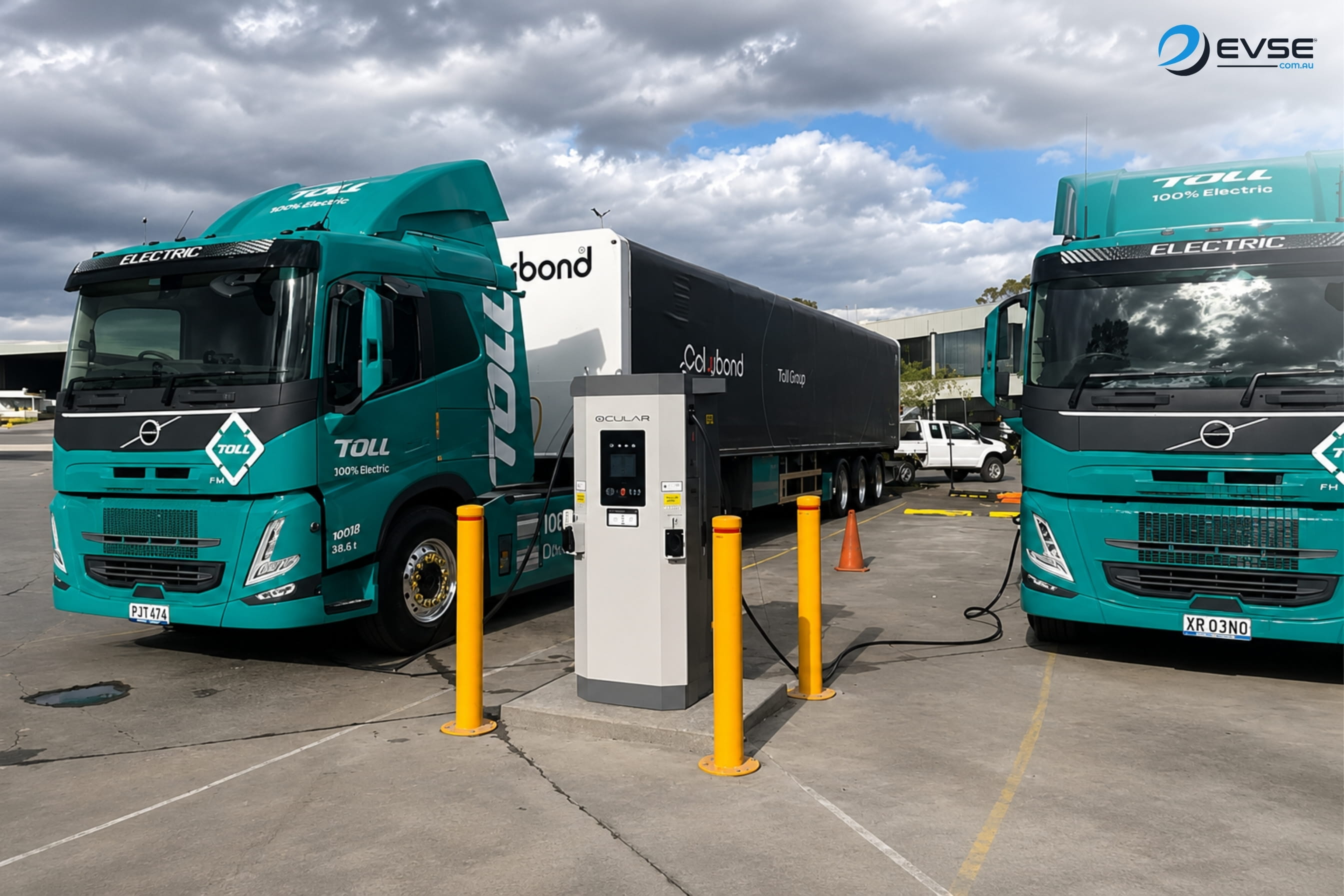
Councils with electric vehicle fleets, including passenger vehicles, light utilities, and in some cases electric buses, need depot charging separate from public infrastructure. Fleet depot charging is typically managed through active load management software to ensure overnight charging fits within the depot’s available electrical supply.
Grant Funding Landscape for Councils
Note: Grant programs change frequently. Always verify current program terms directly with the relevant agency before submitting an application or making budget assumptions. The information below reflects the funding landscape as of mid-2026.
ARENA’s Driving the Nation Fund has been the primary federal source of co-funding for public EV charging infrastructure, including council-operated networks. Applications require a detailed project proposal demonstrating scale, replicability, and public benefit.
State-level programs vary significantly. Several state governments have offered grant programs specifically for local government EV charging infrastructure, in some cases at more accessible application thresholds than ARENA’s competitive rounds. NSW, Victoria, and Queensland have all operated council-targeted programs in recent years.
For smaller councils, aggregated applications, where multiple councils apply jointly for a shared infrastructure program, have been successful in accessing funding at a scale that individual applications from small councils would not reach. State LGA associations have in some cases facilitated these arrangements.
Procurement and Governance Considerations
Council procurement rules generally require competitive tendering for works above a certain value threshold, which varies by state and council policy. EV charging infrastructure projects that include both hardware supply and installation works typically need to go through a formal tender process for anything beyond minor works.
The tender evaluation criteria for EV charging infrastructure should include technical capability and demonstrated experience, not only price. A provider with a low bid but no track record in council deployments creates delivery risk that can cost more to manage than the bid savings.
Councils that have successfully navigated this have typically included specific evaluation criteria around OCPP compliance, load management capability, installer accreditation, maintenance SLA terms, and reference installations in comparable local government settings.
Common Planning Mistakes
Underestimating Infrastructure Costs
The charger hardware is often the smallest component of a public charging installation budget. Civil works, switchboard upgrades, cable trenching, DNSP notification processes, and project management can collectively exceed the hardware cost. Councils that budget only for hardware consistently find their projects stalled or descoped when the true infrastructure costs become clear.
Selecting Locations Without Utilisation Data
Public chargers in locations where EV drivers do not naturally stop generate poor utilisation and poor community value. The locations that consistently perform well are car parks adjacent to retail or services with two-plus hour dwell times, town centre locations on routes EV drivers are already using, and recreation areas where visitors spend extended time.
Procuring Proprietary Systems Without OCPP Compliance
Some council EV charging installations have been locked into proprietary platforms that cannot be managed by any third party, cannot integrate with emerging public charging network roaming agreements, and cannot be migrated to a different provider if the original supplier’s terms become unacceptable. OCPP compliance is a procurement requirement, not a nice-to-have.
EVSE’s Council and Government Track Record
EVSE has delivered EV charging infrastructure for local councils, state government agencies, and public institutions across Australia. Projects include Camden Council’s fleet depot charging, public car park installations for multiple metropolitan and regional councils, and infrastructure for government facilities requiring NCC-compliant design.
Our commercial team works with councils through the full project lifecycle, from initial site assessment and grant application support through to procurement documentation, installation, and post-deployment maintenance. Contact us to discuss your council’s specific requirements.
The councils that end up with public EV charging infrastructure that works well, generates community value, and holds up over time are the ones that treated the planning stage seriously. Infrastructure decisions made in haste to capture a grant window often produce installations that create ongoing management burdens.
-
Job title / role - CEO
Years of experience in EV charging or electrical work 11 years
Relevant credentials or certifications (e.g. licensed electrician, Clean Energy Council accreditation, EV specialist training, brand certifications) EV specialist, ev driver, member of AFMA, AEVA, EV Council, HVIA
Brendan Wheeler is Co-Founder and CEO of EVSE Australia, a vertically integrated EV charging provider. He leads the rollout of infrastructure across home, workplace and public charging. His focus is on building a connected platform that delivers reliable, commercially sustainable outcomes.