How EVSE Australia designed charging infrastructure that actually works: Linfox
Victoria's Most Ambitious Bus Electrification Project
In 2022, something quietly historic happened in Melbourne’s eastern suburbs.
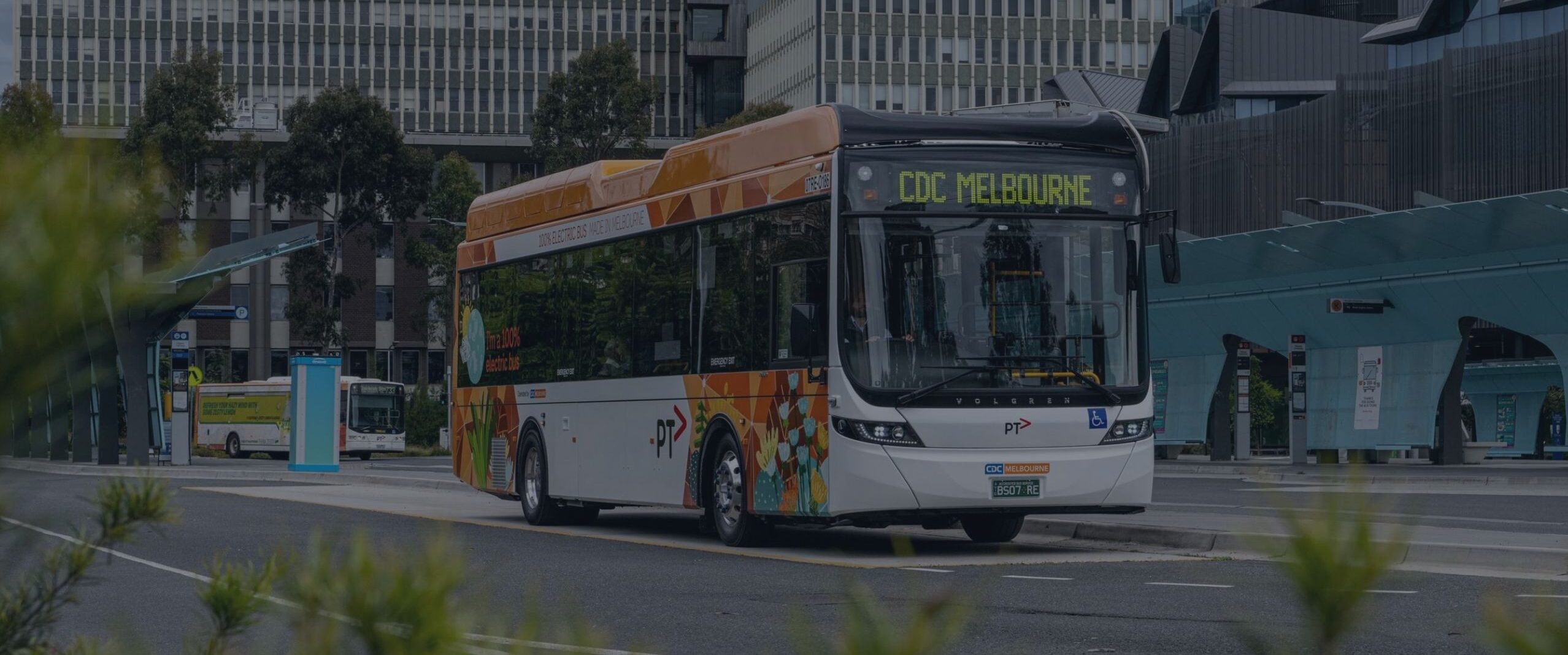
A fleet of electric buses pulled out of a depot for the first time. Not as a trial, not as a photo opportunity, but as a fully operational public transport service. Behind that moment was years of planning, two government grants, three major stakeholders, and one charging network complex enough to power it all.
This is the story of how it got built.
A Vision Without A Blueprint
CDC Victoria had a vision: replace their diesel fleet with electric buses running some of Melbourne’s busiest routes through the eastern suburbs, all converging at the Monash Bus Interchange. It was ambitious, it was necessary, and it came with an infrastructure problem nobody had solved in Australia before.
At the same time, Monash University was pushing hard on its own sustainability agenda; cleaner transport to and from its campuses, charging for staff and student vehicles, and future-proofing its own fleet. Two organisations, one corridor, and a shared headache: where do you put all the chargers, and who pays for the power?
The honest answer was that neither could do it alone. Build separate infrastructure for every use case and you’d run out of space, power capacity, and budget before you’d charged a single bus.
Building Something That Had Never Been Done Before
EVSE Australia and Exploren joined the table with CDC Victoria, Monash University, and the Victorian Department of Transport. Together they started designing not just a charging solution, but an ecosystem.
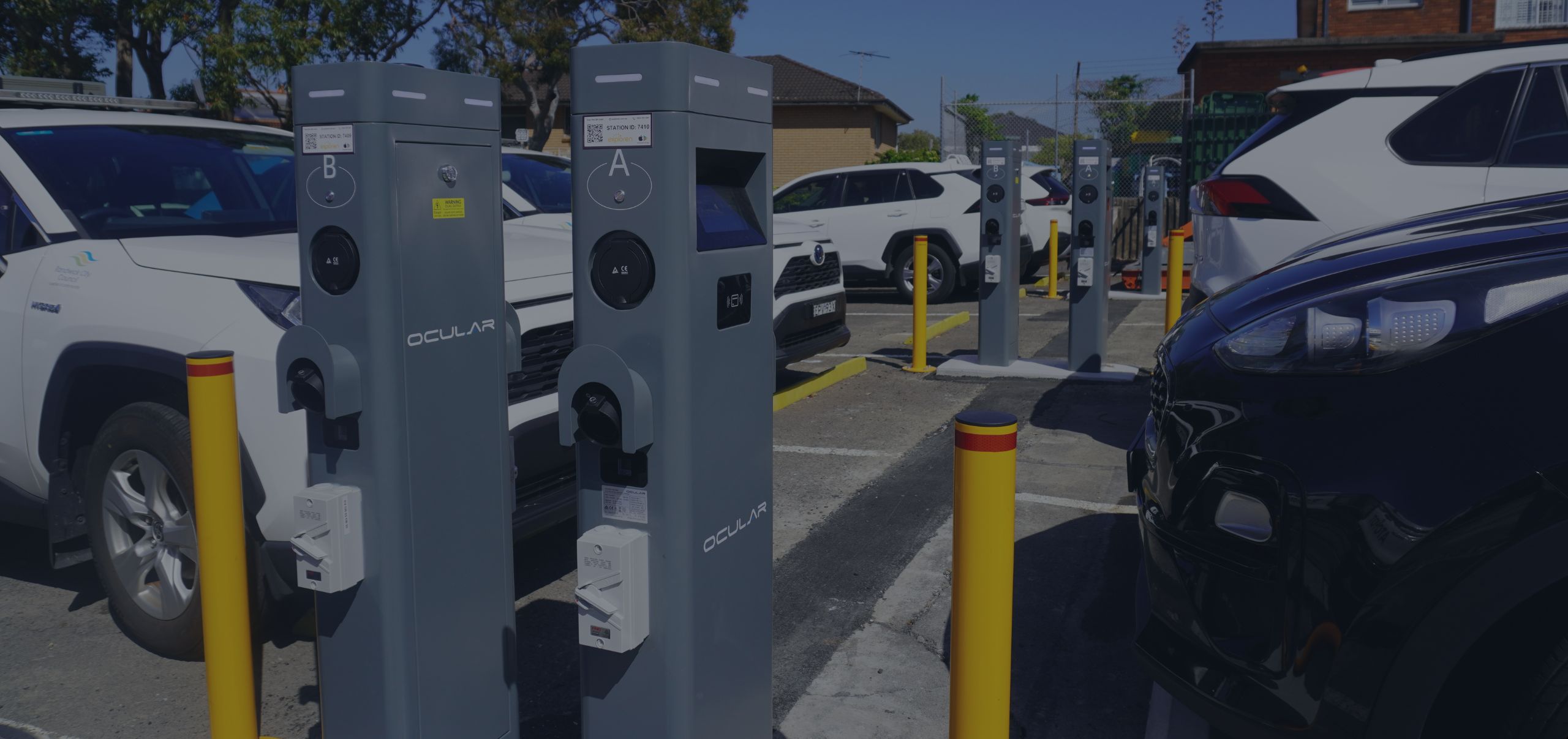
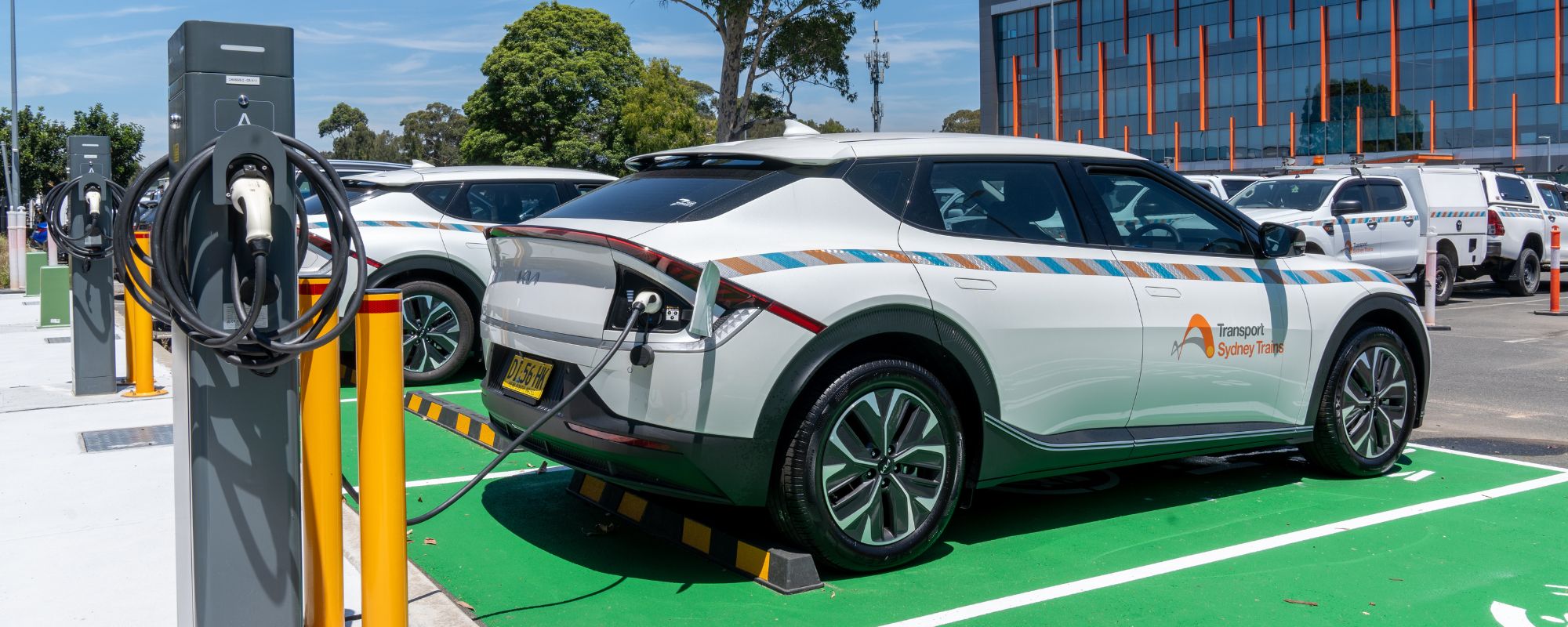
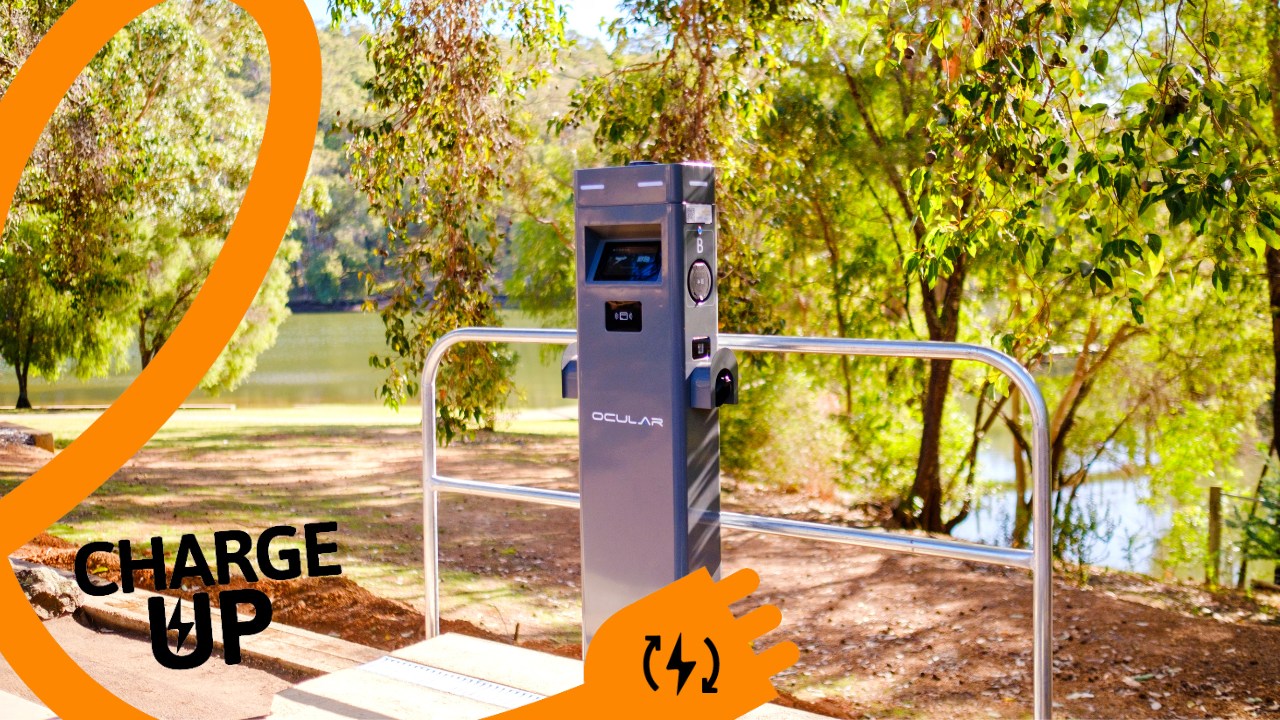
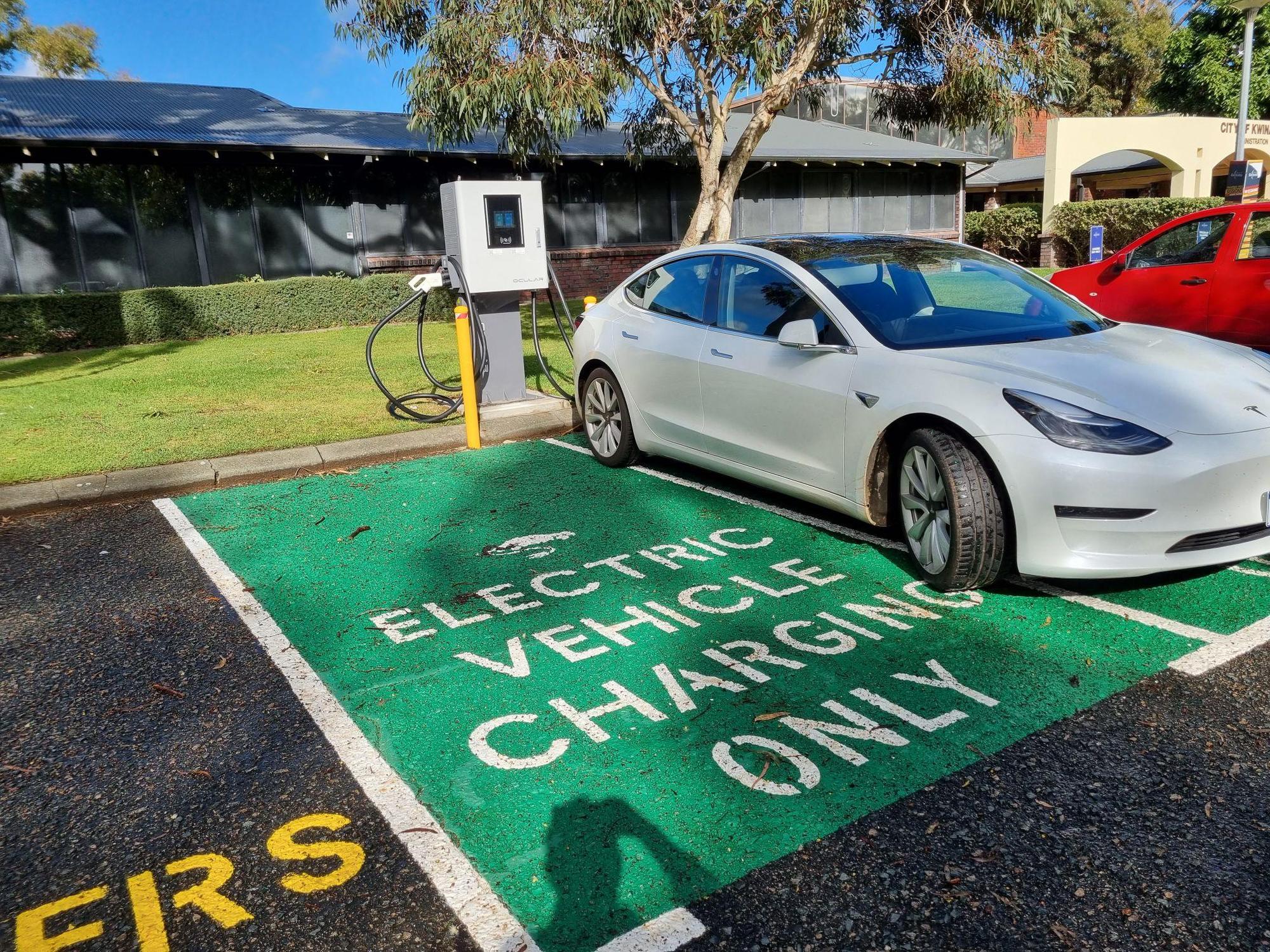
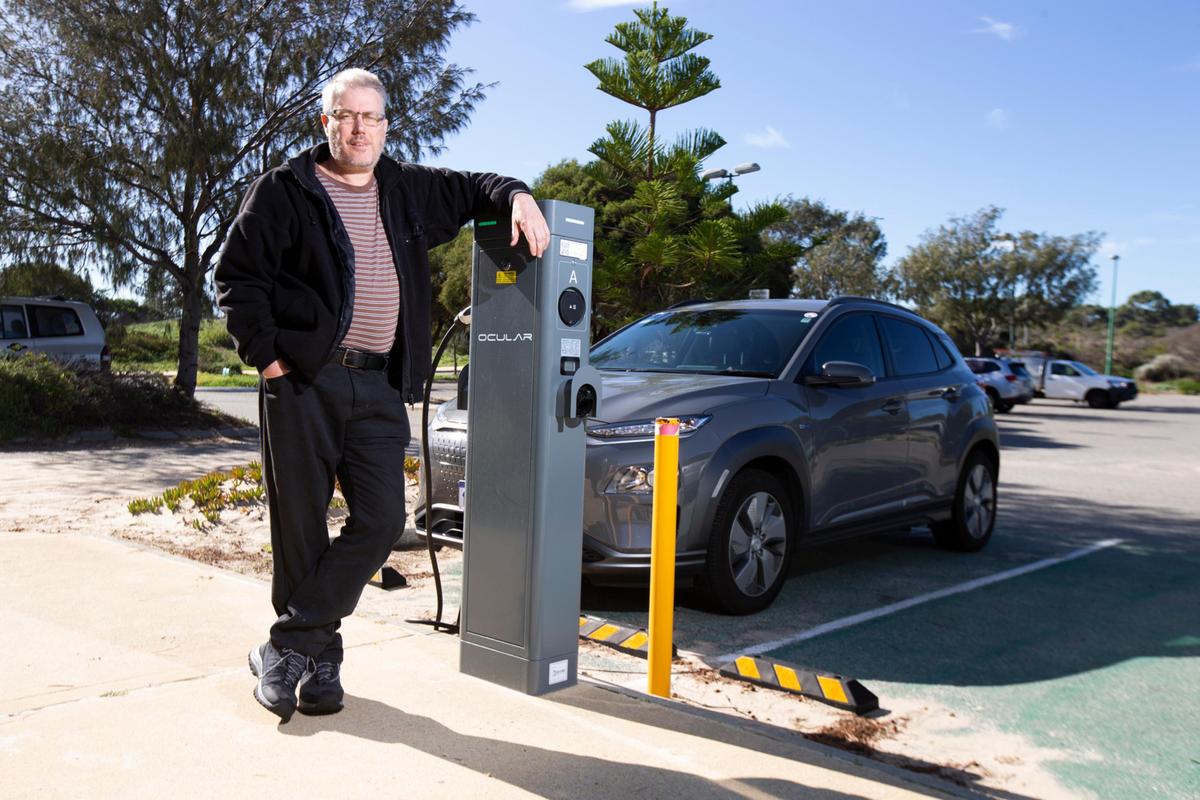
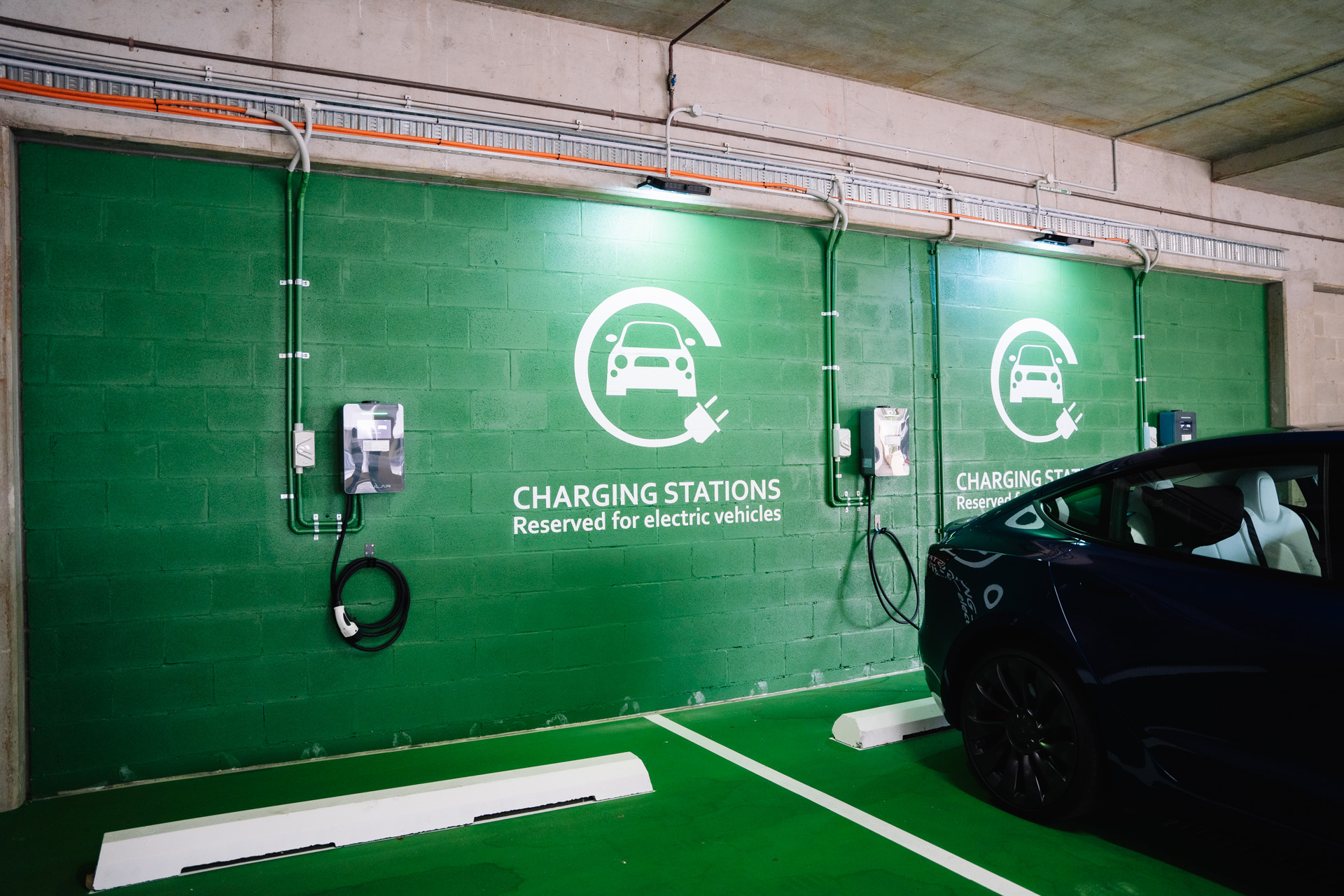
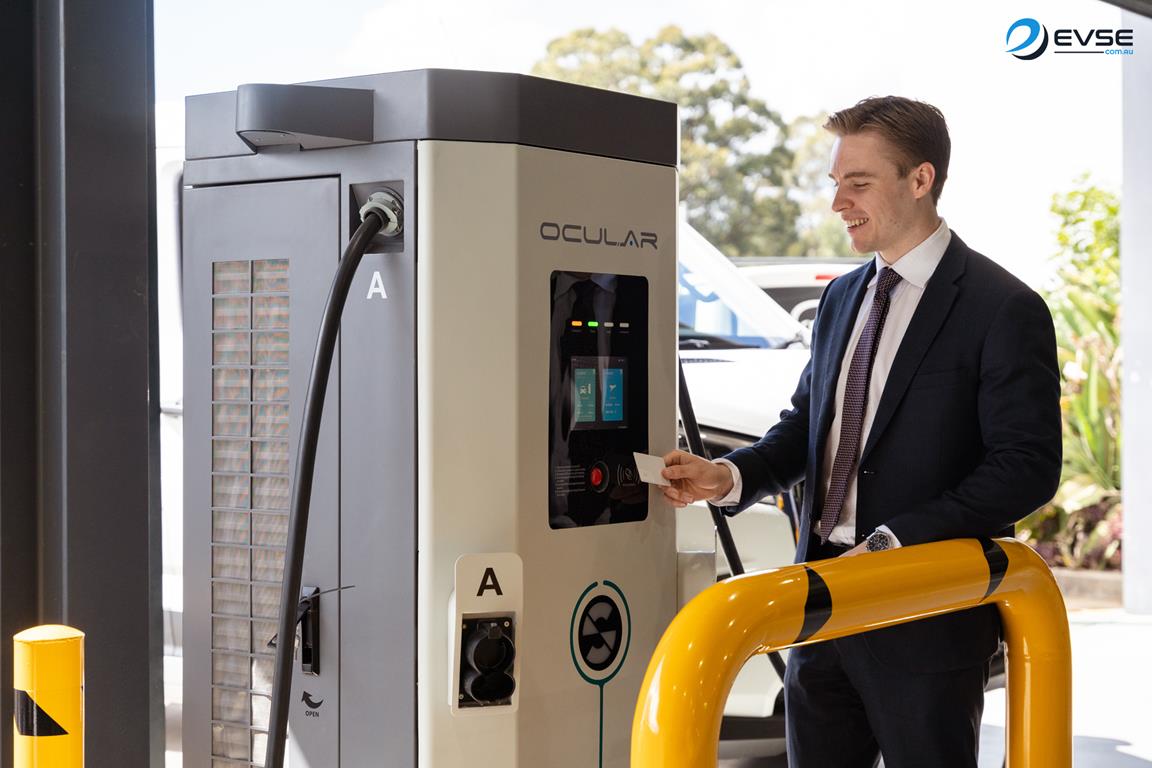
The network that emerged was one of the most complex of its kind in the country. High-power DC chargers at CDC’s Oakleigh depot for overnight and opportunity charging. Top-up points at the Monash Bus Interchange so buses could charge between runs without returning to base. Off-depot charging at Monash’s Peninsula Campus. Workplace AC charging for university staff. Public DC fast charging open to students, visitors, and the wider community. All of it running on shared infrastructure, shared power, and a single managed platform.
Two Victorian Government grants – including the Zero Emission Bus Trial – helped fund the rollout. The whole network, over 50 charge points including 30 high-powered DC chargers, was delivered in under 12 months.
“With the high-power requirements of charging stations and the space needed to deploy them, it is simply not possible to look at different charging solutions in isolation. If you take that approach, you will never find enough space or power to fully transition to a sustainable fleet.”
— Exploren, Technical Director – Network Assets
The integrated approach wasn’t just efficient; it was the only approach that worked. And the results proved it. The network has now processed over 50,000 charging sessions a year, running reliably for more than two years under Exploren’s Charge as a Service model, with zero need for CDC or Monash to manage the infrastructure themselves.
The Ripple Effect
The Victorian Government didn’t just watch this project succeed; they used it. The real-world data and operational learnings from the CDC–Monash network fed directly into the state’s broader public transport electrification strategy, accelerating electric bus rollouts right across Victoria.
CDC Victoria’s Oakleigh depot now holds a permanent place in Australian transport history as the country’s first dedicated electric bus depot. Every electric bus added to Victoria’s fleet since then has been shaped, in some way, by what was proven here.
The Bigger Picture
What started as a practical infrastructure challenge has become one of the most significant milestones in Australian public transport history. The CDC Victoria and Monash University network proved something the industry had long debated: that large-scale, mixed-use electric vehicle charging isn’t just possible – it’s the only way to make the economics and logistics work.
This project didn’t just electrify a bus fleet. It gave the Victorian Government the real-world data and confidence to accelerate zero-emission transport across the entire state. Every electric bus now rolling out across Victoria carries a little of this project’s DNA.
At EVSE Australia, this is what we do. We don’t just install chargers; we solve the hard problems that stand between ambition and action. Whether it’s navigating government grants, designing networks that serve dozens of vehicle types, or managing complex multi-stakeholder projects from first concept to ongoing operation, we’ve done it before and we’re ready to do it again.
If you’re ready to stop waiting and start moving, let’s talk.