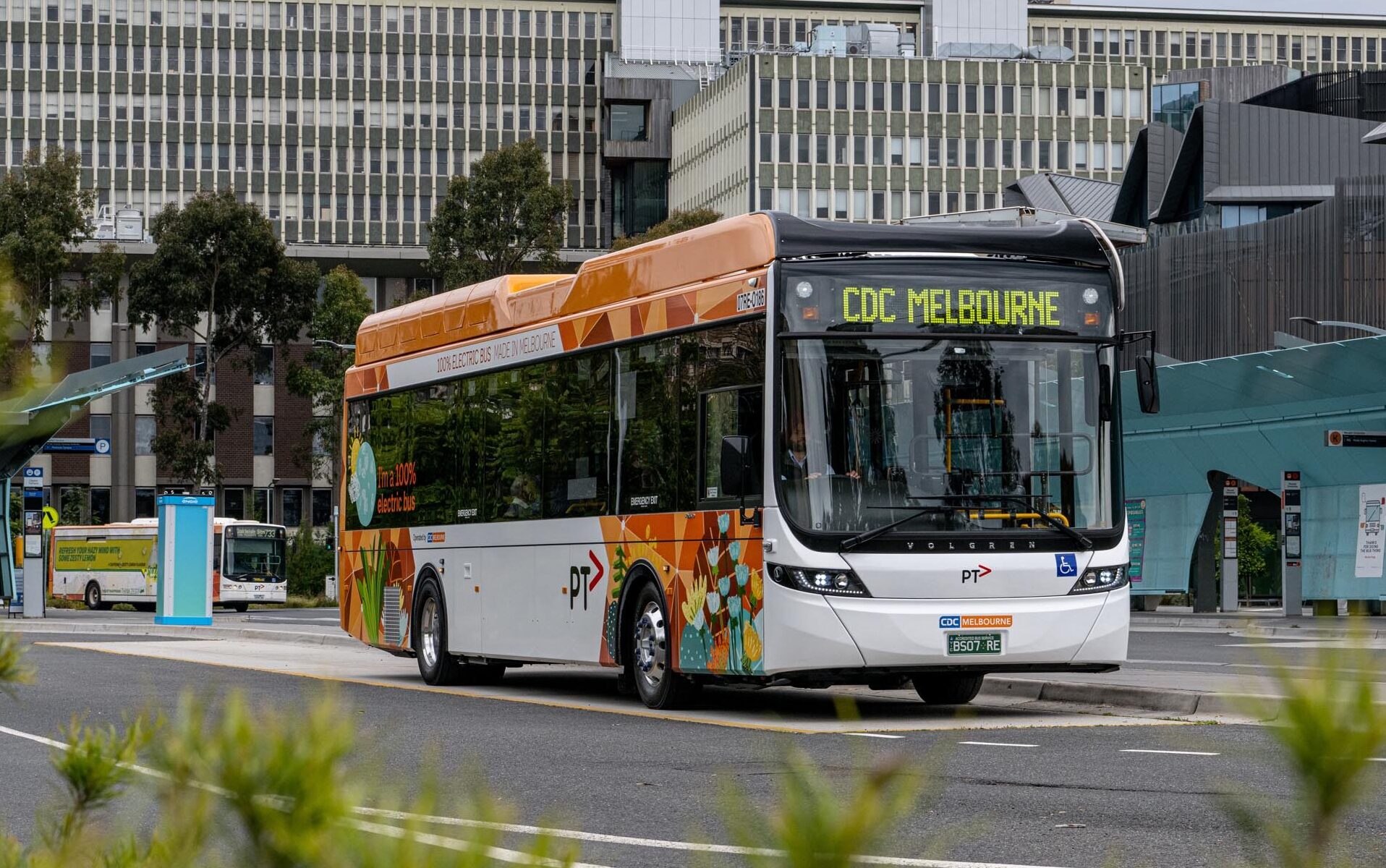
Powering the Shift to Zero-Emission Public Transport: CDC Victoria & Monash University
Overview
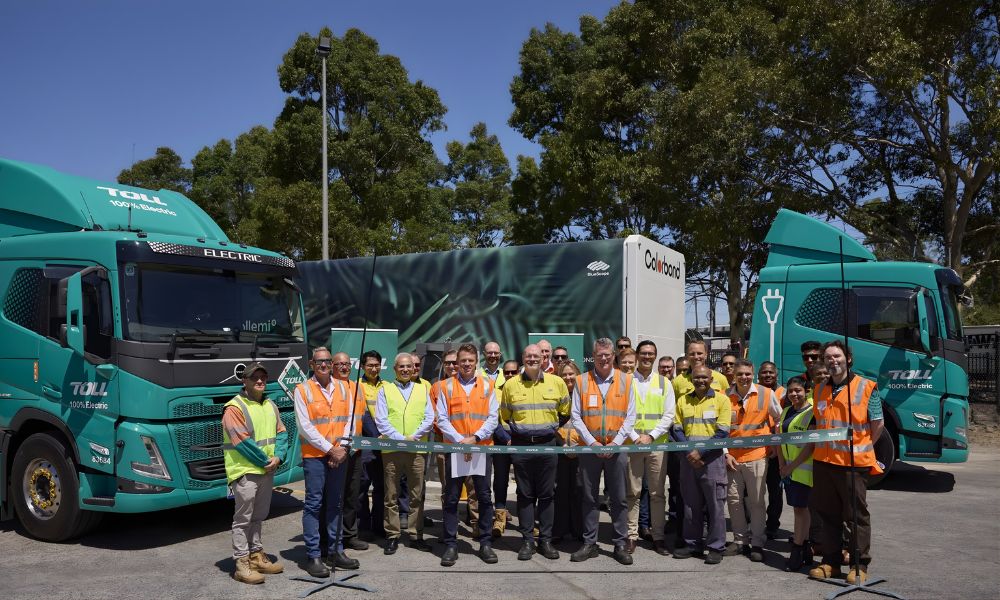
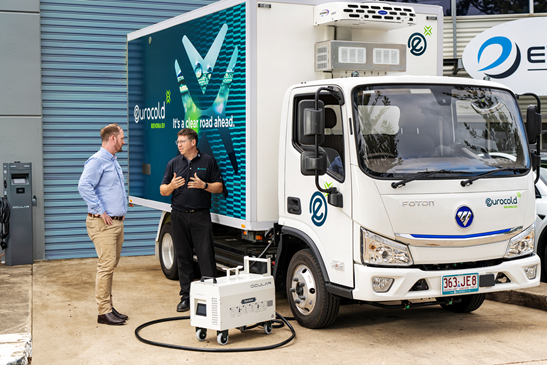
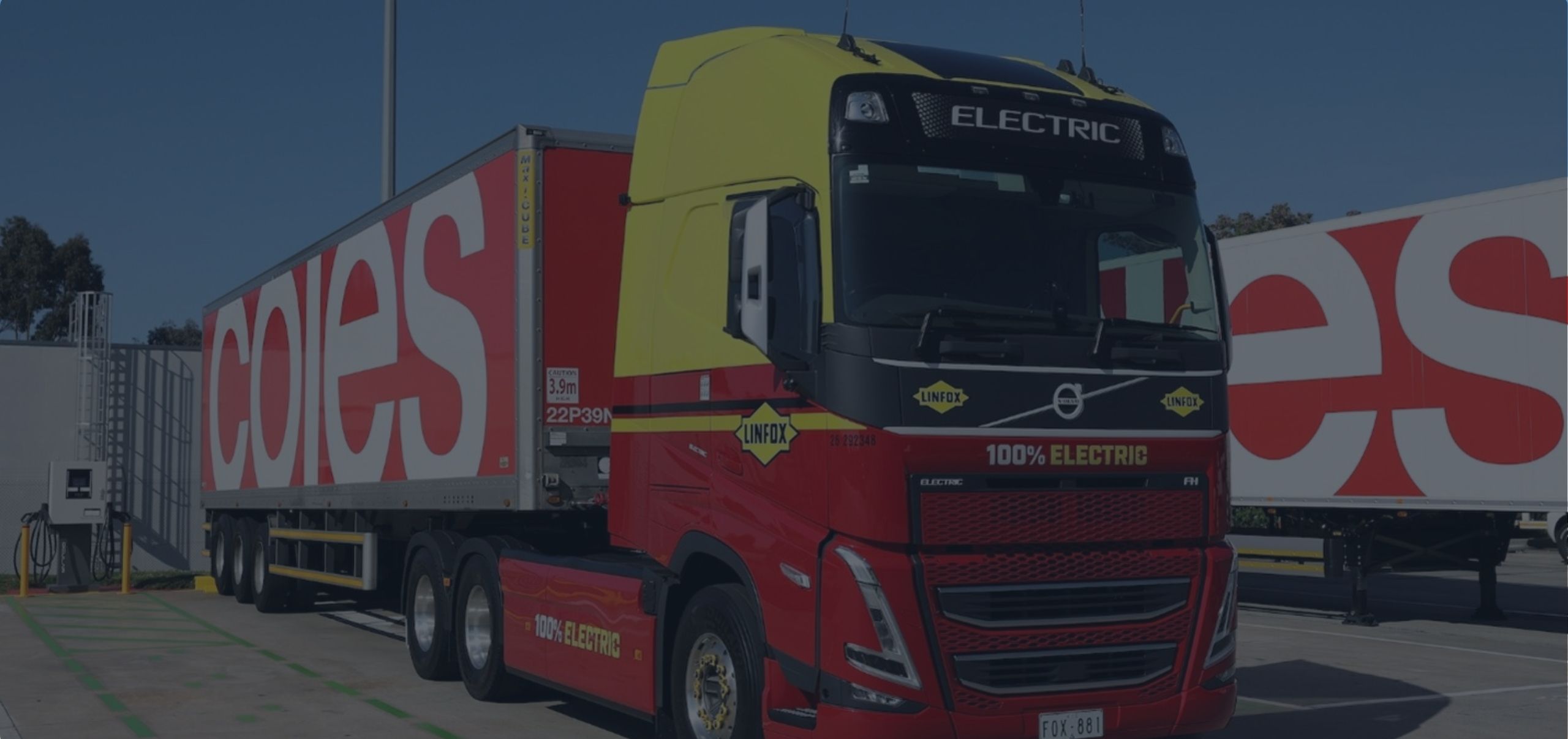
When three of Australia’s largest truck operators, Bunnings, BevChain and Coles; set out to electrifying their heavy vehicle fleets, they faced a problem that no EV manufacturer could solve for them: getting the right charging infrastructure in place.
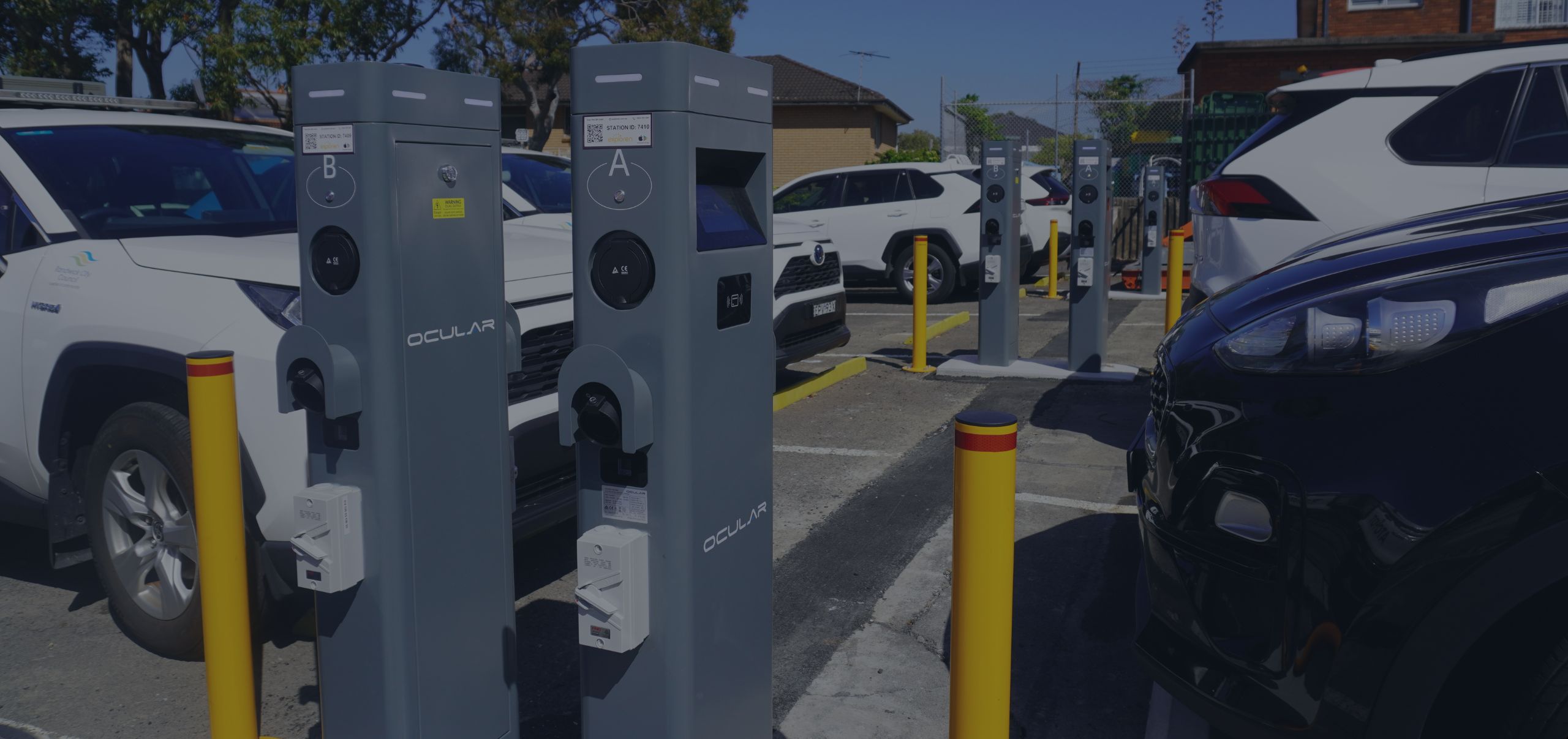
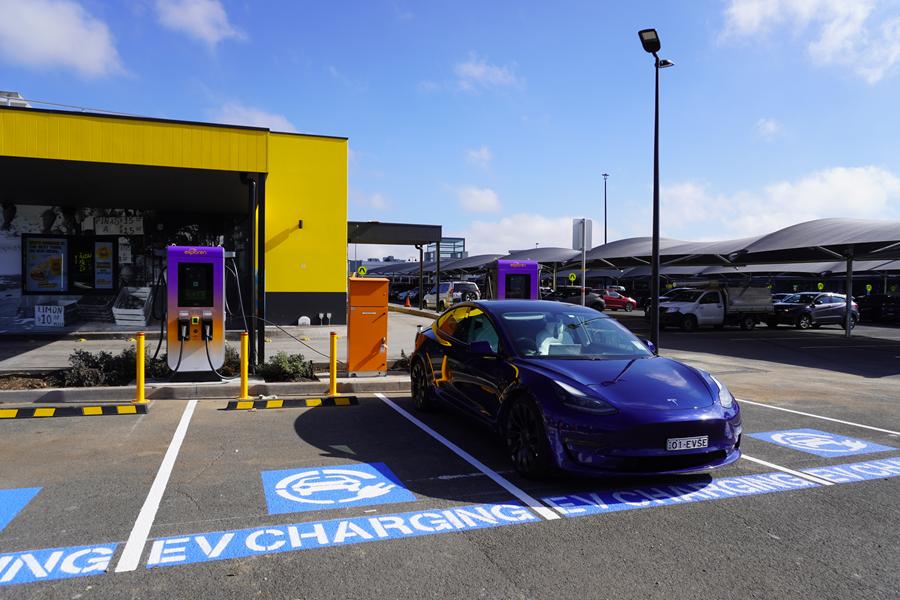
EVSE Australia partnered with Linfox across all three operators’ depots to design and deploy charging solutions tailored to actual fleet behaviour, operational windows, and existing electrical constraints. The result was a scalable, cost-effective infrastructure rollout that has since expanded to sites across Sydney and Melbourne without a single operational disruption.
The Challenge
Electrifying heavy vehicle fleets is a fundamentally different problem from passenger EV adoption. The stakes are higher, the variables more complex, and the margin for error far smaller.
Bunnings, BevChain and Coles each faced a common set of structural barriers:
- Routes dictated by demand, not fixed schedules – making predictable charging windows difficult
- Heavy payloads reducing vehicle range by 20-35% compared to unladen performance
- Refrigeration units adding 15-25% additional energy draw per shift
- Depot electrical infrastructure with limited spare capacity and 12-24 month utility upgrade timelines
- Tight operational dwell windows of as little as 4 hours between shifts
Unlike a passenger EV pilot, heavy vehicle electrification cannot be trialled with a single vehicle. Meaningful operational data requires fleet-scale commitment; making the initial infrastructure decision high-stakes and largely irreversible.
“The biggest barrier to heavy vehicle electrification isn’t the vehicle. It’s the infrastructure.”
Most operators approaching electrification focus on range, charging speed, and purchase cost. But in a depot environment, the question that actually determines success is simpler: can the vehicles charge fully within the time they’re parked? Getting that wrong means either stranded vehicles or millions of dollars in unnecessary grid upgrades.
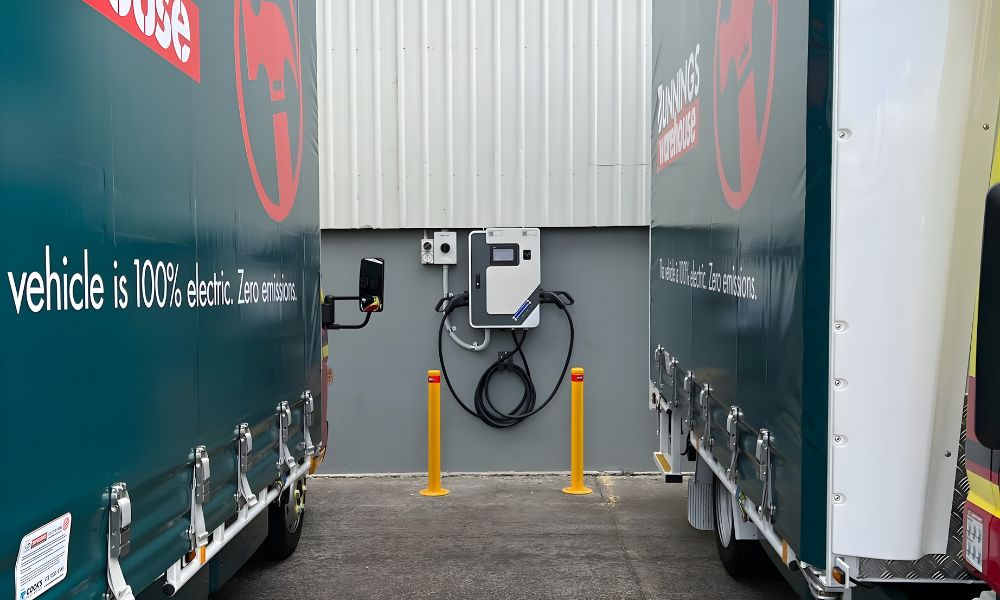
EVSE's Approach: Design Around the Operation
Rather than deploying the highest-power chargers available and letting operators adapt around them, EVSE took the opposite approach. Every deployment began with a detailed operational audit: shift patterns, dwell times, vehicle energy requirements, and existing electrical capacity at each depot.
This data-first methodology allowed EVSE to right-size each installation; delivering exactly the charging capacity each site needed, without overbuilding.
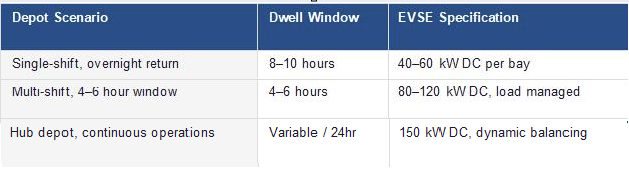
Deployment Specification by Depot Scenario
Results
The deployment delivered measurable outcomes across all three operator relationships:
- Successful pilot programmes at each depot validated operational fit before full-scale commitment – reducing risk for all three operators
- Multi-depot rollout across Sydney and Melbourne completed without disruption to ongoing fleet operations
- Infrastructure spend reduced by more than 40% compared to initial vendor quotes based on maximum-power charger configurations
- Scalable charging architecture in place to absorb fleet growth without redesign or additional capital expenditure
- All three operators are now expanding their electric fleets
Why It Worked
Three factors made these deployments successful where others have stalled:
- Operational data came first: Every charger specification was derived from real shift data not manufacturer recommendations or theoretical maximums. This prevented the single most common and costly mistake in fleet electrification: installing chargers that are too powerful (and too expensive) for the actual operational pattern.
- Load management replaced grid upgrades: At most sites, intelligent load balancing across charging bays eliminated the need for costly and slow grid upgrades. Chargers share available capacity dynamically based on real-time demand; meaning operators could start charging vehicles months before a traditional approach would have allowed.
- The architecture was designed to scale: From the first pilot bay to a full depot rollout, the infrastructure was designed with growth in mind. Adding vehicles doesn’t require a redesign; it requires adding bays to an already-configured system.
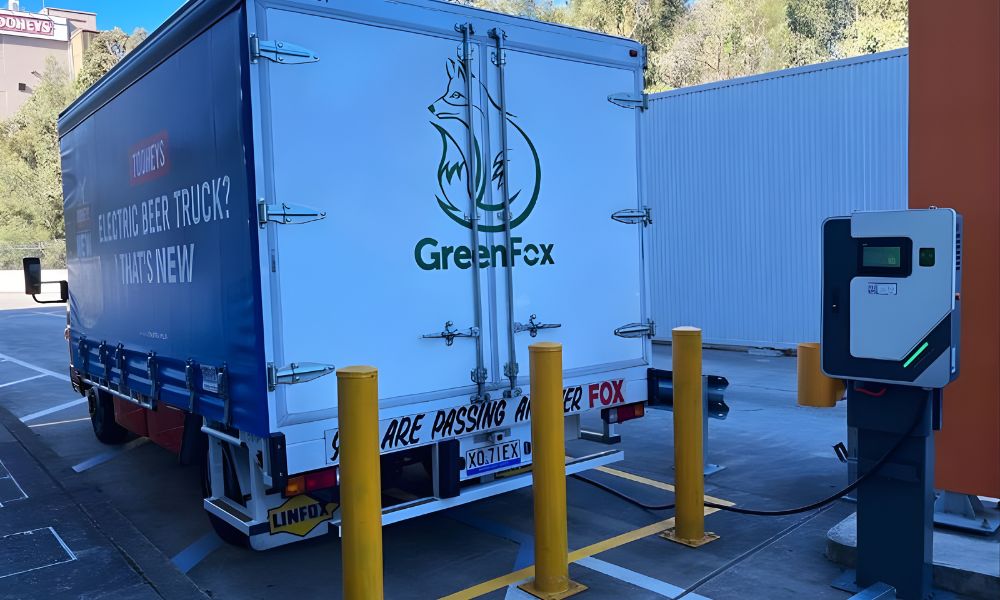
About EVSE Australia
EVSE Australia is a leading end-to-end EV charging provider across Australia and New Zealand, delivering hardware, software (Exploren platform), installation, and ongoing network management. Our Charging-as-a-Service model enables businesses to deploy EV charging infrastructure without upfront capital investment, with full visibility and control across multiple sites.
Ready to electrify your truck fleet? Speak to our team to design a solution that fits your operation.