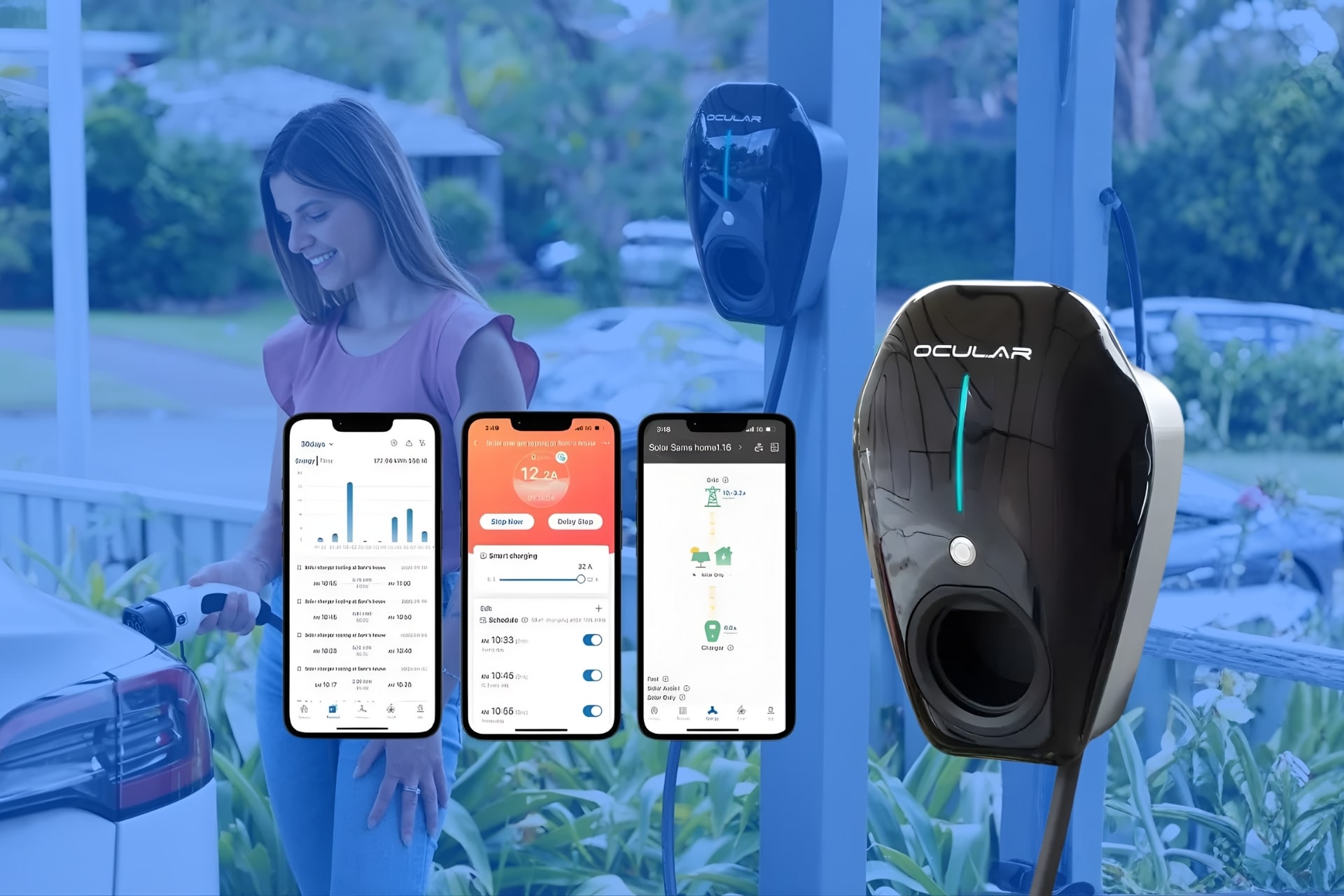
As electric vehicle adoption accelerates across Australia, homeowners are looking for faster, safer and smarter ways to charge their EVs. With artificial intelligence, smart meters and automated load-balancing becoming mainstream, smart home EV charging in 2026 will look very different from how Australians charge today. This guide explains how AI will shape the future of home charging, the benefits for everyday drivers and what you can do now to prepare your home for the next generation of charging technology.
Key Takeaways
- AI will optimise home charging by analysing energy usage, tariffs and peak-time demand.
- Automation will allow chargers to schedule themselves for the cheapest and greenest charging windows.
- Smart meters and home energy management systems will play a major role from 2026 onwards.
- Homeowners can reduce charging costs, protect wiring, and extend battery life using adaptive charging.
- Australia’s clean-energy regulations and smart-metre rollout support the shift to intelligent charging.
What Is Smart Home EV Charging?
Smart EV charging uses AI-powered systems to automatically control when and how your EV charges. Instead of manually plugging in and guessing the cheapest charging time, the charger communicates with:
- Your home’s smart meter
- Your solar system or battery storage
- Your energy provider’s tariff data
- Your vehicle’s battery management system
This creates a personalised charging plan that adapts in real time.
According to the Australian Government’s Department of Climate Change, Energy, the Environment and Water, smart meters and intelligent energy systems will increasingly support flexible demand and renewable load management across Australian homes.
Reference: https://www.dcceew.gov.au/energy/supply
How AI Will Transform Home EV Charging in 2026
1. Intelligent Scheduling for Cheaper Charging
AI will automatically determine the best time to charge your EV based on:
- Off-peak pricing
- Solar generation
- Predicted energy demand
- Weather conditions
For households on time-of-use tariffs, the system shifts charging to the lowest-cost window without you lifting a finger.
2. Dynamic Load Balancing to Protect Your Home
In 2026, smart chargers will constantly monitor your home’s electrical load and automatically adjust charging speed. This prevents tripped circuits and helps homeowners avoid costly electrical upgrades.
This aligns with Australian grid-safety guidelines promoting efficient demand management.
Reference: AEMO Demand Response & Energy Management – https://www.aemo.com.au/initiatives
3. Solar-Optimised Charging
With solar uptake soaring in Australia, AI can prioritise charging only when excess solar is available. This means:
- Lower grid reliance
- Maximised renewable use
- Reduced charging costs
- Zero-emission charging at home
Future chargers will combine solar forecasting with your driving patterns to ensure your EV is always ready when needed.
4. Predictive Charging Based on Driving Behaviour
AI learns your habits, such as:
- Daily commute distance
- Weekend travel
- Charging frequency
- Battery wear
It then prepares your vehicle optimally without overcharging. This improves battery life and reduces long-term running costs.
Preparing Your Home for 2026’s Smart Charging
To get ready for the shift, homeowners should consider:
- Installing a smart-ready home EV charger
- Upgrading to a smart meter if not already installed
- Integrating solar and home battery systems
- Ensuring AS/NZS 3000-compliant installation for safety
(You can check Australian electrical standards here: https://www.standards.org.au/standards-catalogue/standard-details?designation=as-nzs-3000-2018 )
Final Thoughts
By 2026, AI-powered home EV charging will become the norm in Australia. It will deliver lower costs, better energy efficiency and a seamless charging experience that adapts to your lifestyle. For homeowners wanting to future-proof their EV setup, now is the ideal time to upgrade to a smart-ready home charger.