What makes a charger the best for Australia?
An EV charger is considered suitable for Australian homes when it meets AS3000 wiring rules, supports the national Type 2 standard, delivers stable Level 2 charging and offers weather resistant housing.
Key requirements:
- Type 2 compatibility.
- Weather resistance.
- Level 2 charging between 7kW and 22kW.
- Installation by a licensed electrician.
- Stable performance on Australian grid conditions.
How Solar EV Charging Works
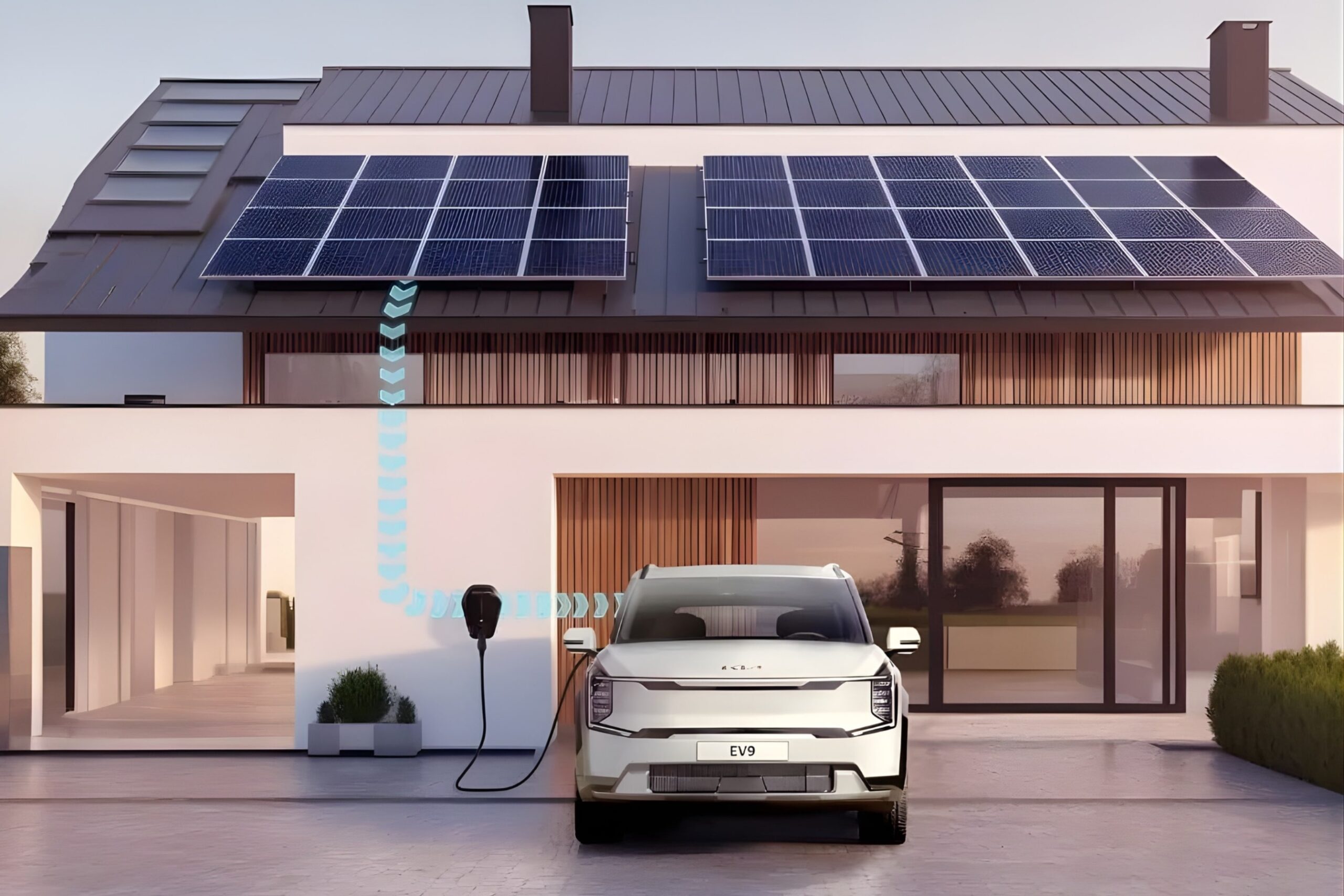
A solar inverter generates power which can be directed to the home. An energy controller monitors solar export and diverts available energy to the vehicle before exporting to the grid.
Solar EV charging requires:
- Rooftop solar system generating excess solar energy.
- Smart Solar charger with CT’s to monitor electricity generation and when you are exporting
- Compatible Level 2 charger.
Recommended Chargers
Ocular IQ Home Solar. This works with solar monitoring and load control using CT clamps on the home’s switchboard and is completly inbuilt so you only need the charger and not a seperate controller device.
Solar Charging Benefits
- Reduced electricity bills.
- Utilise excess solar production
- Lower carbon footprint.
- Works well with off peak tariffs.
Frequently Asked Questions
Do I need a special charger for solar?
Yes, to charge only from excess solar consumption, otherwise your charger will work like any other appliance in your home.
Can solar fully charge an EV?
Yes depending on solar system size.
Does weather affect charging?
Yes solar output varies according to weather.
Can I mix solar and off peak?
Yes with scheduling.