An insight into EV charging of a different kind from EVSE Australia
While Australians are slowly picking up and transitioning to personal electric vehicles, the bus industry is following suit as well. But how do electric bus fleets operate? What do they need to stay charged, and how are these early adopters setting themselves up?
EVSE Australia has developed catered solutions for bus fleets to answer all of the above.
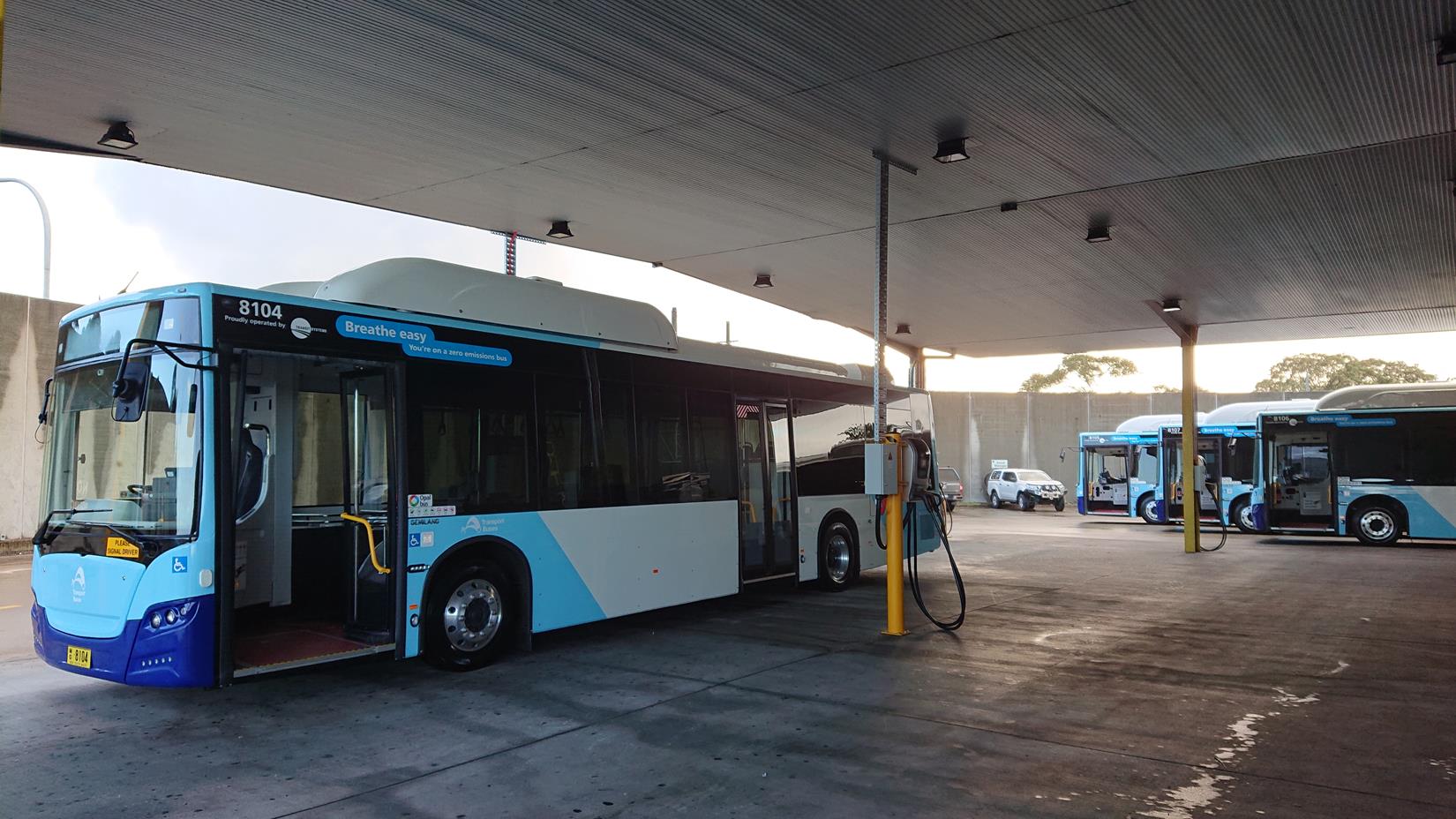
An electric bus on trial in NSW
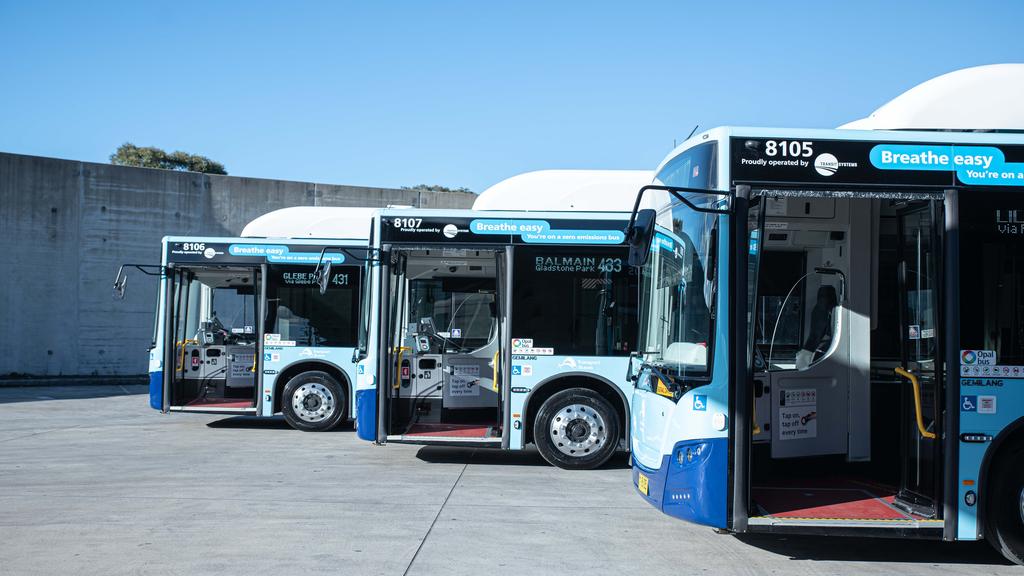
To start, an electric bus (or eBus) is the same as an electric car in the way that it uses a large battery and drivetrain, where a traditional vehicle would use a tank of fuel to power an engine. Charging an electric bus is mostly the same as an electric car as well. They’ll use a charging station and corresponding plug to recharge their battery. However, when charging buses, it’s important to consider their use case compared to standard EVs.
Buses get very high commercial usage rates, as one might imagine. That means less downtime to charge and get back out on the road. When thinking about the best solution for this, generally DC charging stations quickly become the go-to option for eBus fleet managers. That’s because they can bypass onboard chargers of EVs (they limit AC power rates to a max of 7kW or 22kW generally) to reach much faster charging rates. DC Chargers range from 20kW units all the way up to 350kW+! Using these high-powered solutions are perfect for when a bus sets down after finishing a route.

As fleet sizes increase, managing the load of charging eBuses with huge batteries may also become difficult given their prolonged high power demands. Intelligent load management applications can work with EVSE’s intelligent DC charging range to ensure a building never exceeds its power supply. This is done by adjusting charging rates on different chargers in real-time depending on the total demand on the system. That also means that as fleet vehicles charge to full capacity overnight, the charge rate on systems still in use will be adjusted accordingly to increase as well.
It all might seem a little complicated – and that’s ok! The team of trained electric vehicle charging experts at EVSE would be happy to investigate your eBus fleet and find the best way to manage their charging.
Have a look at our Electric Bus Fleet page or get in touch with us at [email protected] or on 1300 406 210.
-
Sam Korkees is the Co-Founder of EVSE Australia, a leading provider of electric vehicle (EV) charging infrastructure and solutions. Since co-founding the company in 2014 alongside Brendan Wheeler, Sam has played a pivotal role in scaling EVSE from an early-stage startup into a nationally recognised leader in EV charging.
EVSE has delivered some of the country's largest EV fleet and depot charging deployments, supporting the electrification of commercial fleets, logistics operations, and government assets. The company is also recognised as a leader in public charging infrastructure, with extensive experience in the rollout of fast and ultra-fast DC charging networks nationwide.
Sam works closely with government, utilities, and enterprise clients to design and implement scalable, future-ready charging solutions, helping accelerate the adoption of EVs across Australia.
Credentials: 11 years of EV charging deployment history, EV specialist, EV driver, member of AFMA, AEVA, EV Council, HVIA