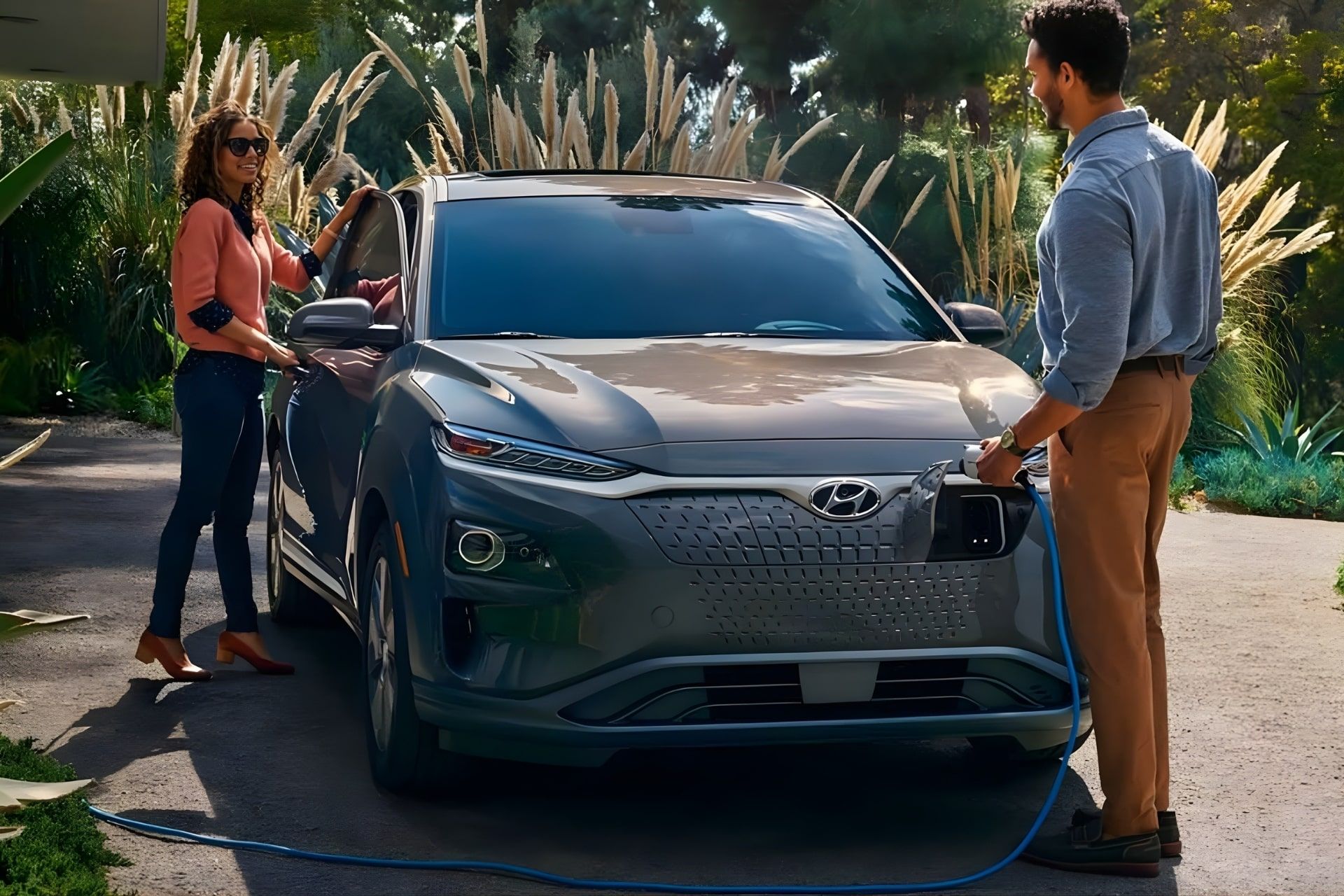
With the rapid rise of BYD sales across Australia, more drivers are looking for reliable and efficient ways to charge at home. Whether you own a BYD Atto 3, Dolphin, Sealion, Shark, Seal or future 2026 models, choosing the right home charging setup can dramatically improve convenience, battery health and long-term running costs. This guide breaks down everything BYD drivers need to know about home EV charging in 2026, including charger types, installation requirements and government resources.
Key Takeaways
- BYD vehicles work best with dedicated AC home chargers for safe, fast daily charging.
- Smart chargers improve charging efficiency and extend battery life.
- Installation should follow AS/NZS 3000 electrical safety standards.
- Owners should understand charging speeds, tariffs and solar options.
- Australian government resources can assist with safety, planning and energy management.
1. What BYD Owners Should Know About Home Charging
BYD vehicles support AC charging at home, typically up to 7 kW on single phase or up to 11 kW on three phase. While BYD includes a portable charger, this is designed only for occasional use. A dedicated hard-wired home charger provides:
- Faster charging
- Better thermal management
- Safer long-term operation
- Smart charging features
The Australian Government recommends using certified chargers and licensed electricians to ensure compliance with national electrical standards.
Reference: https://www.energy.gov.au/electric-vehicles/owning-electric-vehicle/how-charge-your-electric-vehicle
2. Charging Times for BYD Models in 2026
Charging time varies based on your home setup:
Single-Phase (7 kW)
Ideal for most Australian homes. Approximate charging times:
- BYD Atto 3: 6–7 hours
- BYD Dolphin: 5–6 hours
- BYD Seal: 8–9 hours
- BYD Sealion 7: 11-12 hours
- BYD Shark (PHEV): 4-5 hours
Three-Phase (22 kW)
Most BYD models have a max AC Charging speed of 7kW and will charge the same when connected to a higher powered AC charger, however the BYD Sealion 7 can charge max 11kW.
AC charging at home protects battery health compared to repeated DC fast charging.
3. Smart Chargers Improve BYD Charging Efficiency
In 2026, smart chargers will play a major role for BYD owners. These systems use real-time energy data to:
- Charge during the cheapest tariff periods
- Prioritise solar energy
- Automatically balance household electrical load
- Prevent overcharging or battery stress
Smart home charging supports Australia’s shift toward more flexible and energy-efficient EV uptake.
Reference: AEMO Demand Response & Energy Management
https://aemo.com.au
4. Solar + BYD Home Charging: A Major Advantage in Australia
Australia’s high solar uptake makes solar-charged BYD ownership extremely cost-effective. With a smart charger, homeowners can:
- Charge directly from excess solar
- Reduce grid reliance
- Lower annual charging costs
- Achieve near-zero emissions charging
WA, QLD and SA BYD owners especially benefit due to high solar output across these regions.
Reference: https://www.energy.gov.au/electric-vehicles/owning-electric-vehicle/electric-vehicle-charging-equipment
5. Installation Requirements for BYD Home Chargers
To ensure safety and compliance, installations must meet:
- AS/NZS 3000 (Wiring Rules)
- AS/NZS 4777 for solar connections
- Local distribution network guidelines
Always use a licensed electrician with EV charger installation experience. You can verify standards and regulatory guidance via Standards Australia:
https://www.abcb.gov.au/sites/default/files/resources/2023/ABCB%20EV%20Guidance%20Document%20June%202023.pdf
6. Choosing the Right Home Charger for Your BYD
A good home charger for any BYD model should offer:
- 7 kW or 11 kW charging capability
- Smart app control
- Energy monitoring
- Overload protection
- Solar optimisation
- OCPP compatibility
BYD’s battery chemistry is well-suited to Level 2 home charging, making a quality AC charger the best long-term option.
Final Thoughts
As BYD becomes a leading EV brand in Australia, having a proper home charging solution is essential for convenience, battery longevity and low running costs. With smart charging technology, solar integration and clear government guidelines, BYD owners in 2026 can enjoy faster, cleaner and more efficient home charging than ever before.