Uses infrastructure you already have
Mounting to an existing pole avoids the civil works, trenching and new grid connection that drive most of the cost in public charging projects.
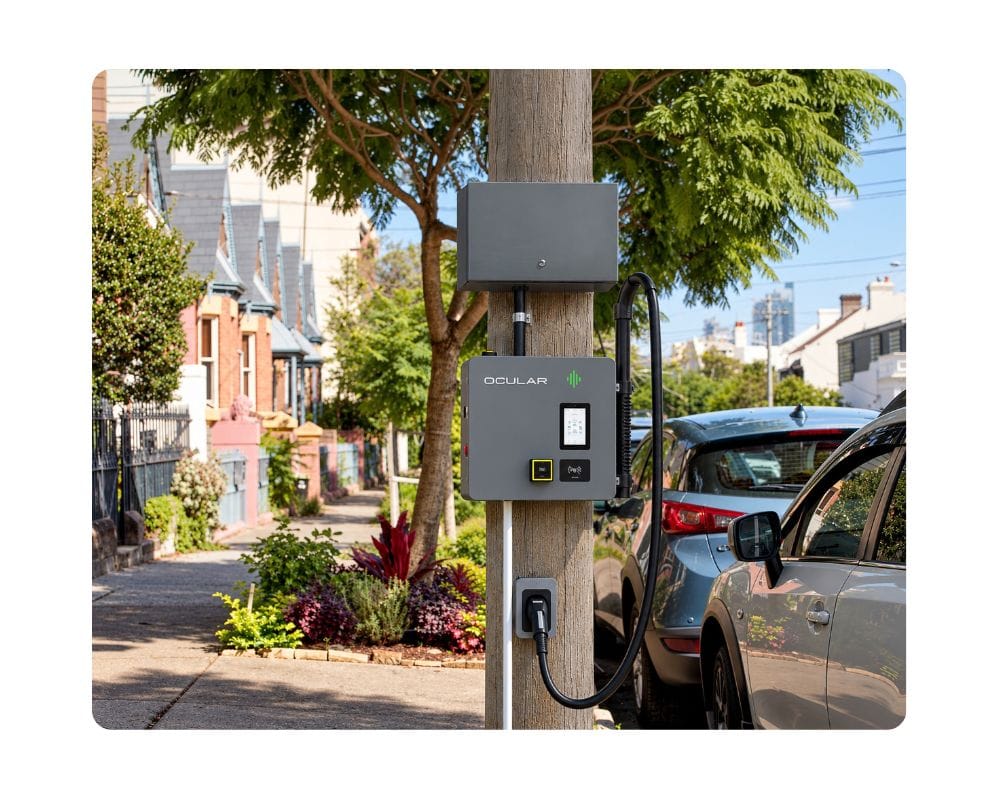
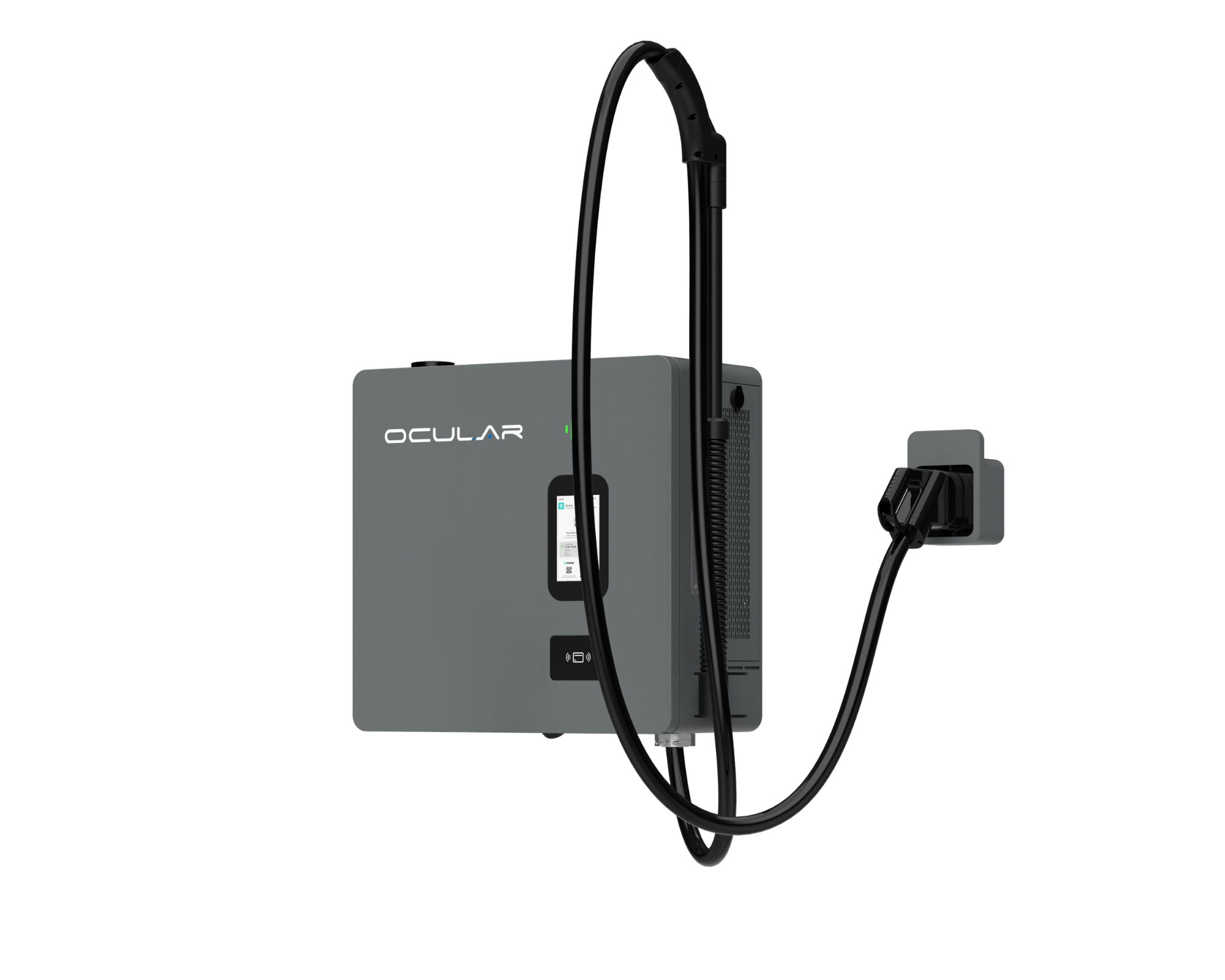
Pole-mounted EV charging mounts a charging unit directly onto an existing power pole, connected to the overhead electricity network. Because the power is already at the pole, there is no need for trenching, new civil works or a separate grid connection – which makes it faster and considerably cheaper to deploy than a standard ground-up charging installation.
Kerbside charging is the broader category: any publicly accessible charger installed at the street edge, whether pole-mounted or on a pedestal. Both serve the same purpose – giving drivers without off-street parking somewhere reliable to charge closer to home.

Mounting to an existing pole avoids the civil works, trenching and new grid connection that drive most of the cost in public charging projects.
Households without a driveway or garage cannot install a home charger. Kerbside charging is the only practical way to give those residents reliable access.
You are not committing to a large single build. Sites can be added progressively as demand grows, spreading cost across budget cycles.
Chargers are monitored 24/7 through Exploren, with remote diagnostics, adjustable tariffs and full session reporting - so your team is not managing hardware day to day.
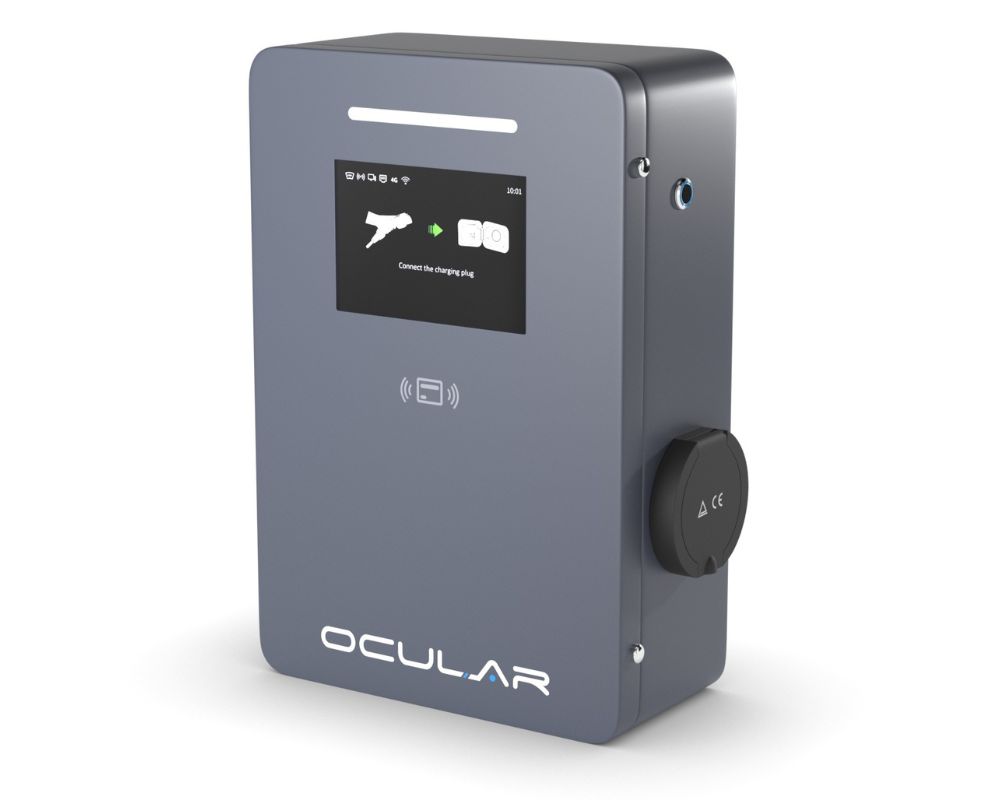
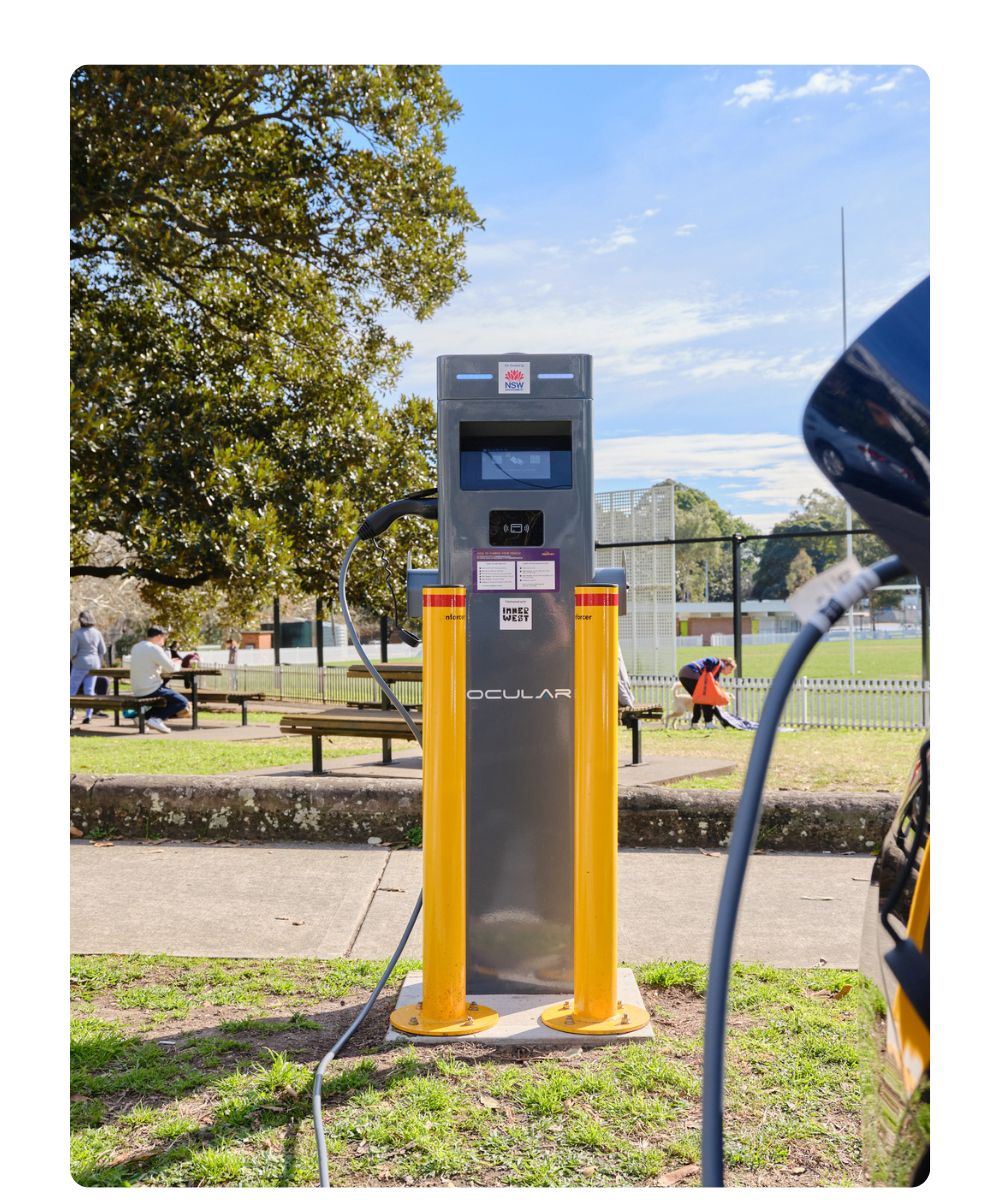
Ocular hardware is housed in heavy-duty metallic casing rated for Australian conditions and exposed public locations.
Kerbside charging projects are rarely held upby the hardware or the installation. The time sits in the approvals and knowing the pathway that is most of what we bring to a project. Here’s how a typical rollout runs
We assess sites alongside the installing electrician. The first priority is utilisation: chargers near shops, cafes and other amenities get used, and a well-used charger is what makes a site worth building. On side we confirm where the charging station can go, where mechanical protection needs to sit, and the safety conditions for both the construction work and the drivers who will use the bay once its live.
Every council sets its own criteria, so this stage takes its shape from who you are. On our Inner West Council project it meant local consultation with residents near each charging location, traffic management approval, and Section 138 and 139 deeds for construction. Whether a development application is needed varies by state. This is the stage to start early. It is consistently the longest and least predictable part of a kerbside project.
Once council approval is in place, the power supply must be approved by the local network provider. Requirements vary between networks so we confirm the pathway for your specific DNSP at the outset rather than assuming it will mirror another region.
The energy retailer assigns NMIs to the metering provider, and the meter is installed on site. It is an easy stage to underestimate: it involves several parties who each work to their own timeframes, so it needs actively managing rather than waiting on.
Once approvals are cleared, construction moves quickly - around two weeks per site. We establish an exclusive zone so the public cannot access the work area, take power from the pole and run it down, excavate through to the switchboard and charger positions, then backfill and install mechanical protection such as bollards and signage.
Chargers come online through Exploren. Drivers start by scanning a QR code, while you set tariffs and access levels and pull reporting on usage, duration and energy delivered.
Approvals dominate the timeline. On the Inner West Council project, it took 8-12 months from first engagement to approval to install – against roughly two weeks of construction. The most common causes of delay are council decision cycles including election periods, traffic engineers seeking design changes, and community objection to proposed charger locations. Engaging early, and consulting residents before designs are locked in, is what shortens it.
DNSP (Distribution Network Service Provider) approval timeframes can vary and take time to process. We recommend contacting EVSE as early as possible in your planning to get the ball rolling.
Inner West Council set out to expand public charging for residents without access to home charging. The limiting factor was never the ambition – it was the grid. The council needed to fit meaningful charger numbers into existing electrical infrastructure without overloading it.
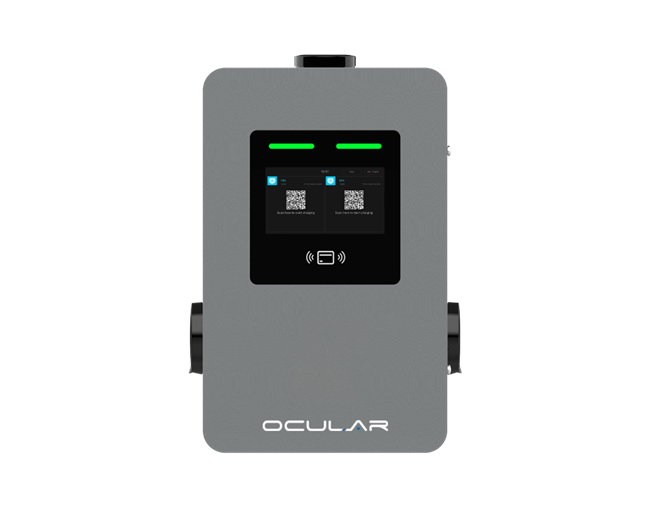
EVSE assessed the council’s existing electrical infrastructure and designed a solution that maximised charger numbers within the capacity available. The rollout delivered 22 kerbside charging sites: 23 Ocular IQ Dual Port Towers and one Ocular DC Titan, downrated to 80A to align with grid capacity while still delivering fast charging. Sites were distributed strategically across the council area for both residents and visitors.
The network runs on Exploren software. Drivers scan a QR code to start charging. The council sets and adjusts tariffs, billing by charging duration, and pulls session data on usage, duration and energy consumed – so decisions about where to expand next are based on real behaviour, not guesswork. Because the network is built to scale, the council can add sites as EV uptake grows without redesigning what is already in the ground.
With our streamlined billing system, managing access and usage has never been easier. You can incentivise EV charging with flexible, adjustable tariffs, empowering you to offer tailored solutions. Our automated, on-demand reports give you complete visibility into charging sessions and key data, allowing you to optimise charging based on user needs.
Powered by Exploren software, your chargers are automatically monitored 24/7. Any issues are resolved quickly and remotely, ensuring your charging stations are always ready to go – because no one wants to deal with a charger that’s out of service.
EV uptake is growing fastest in the suburbs where residents have the least access to charging. Every year that kerbside infrastructure lags behind, the gap widens between drivers who can charge at home and those who cannot. Building street-level capacity now – progressively, pole by pole – means being ready for demand rather than reacting to it.
Dynamic load management avoids the need for costly upgrades using the energy infrastructure, saving you money and utilising the available resources for more charging stations.
Our smart charging solutions are designed to be continuously installed over time, making installing multiple charge points super cost-effective.
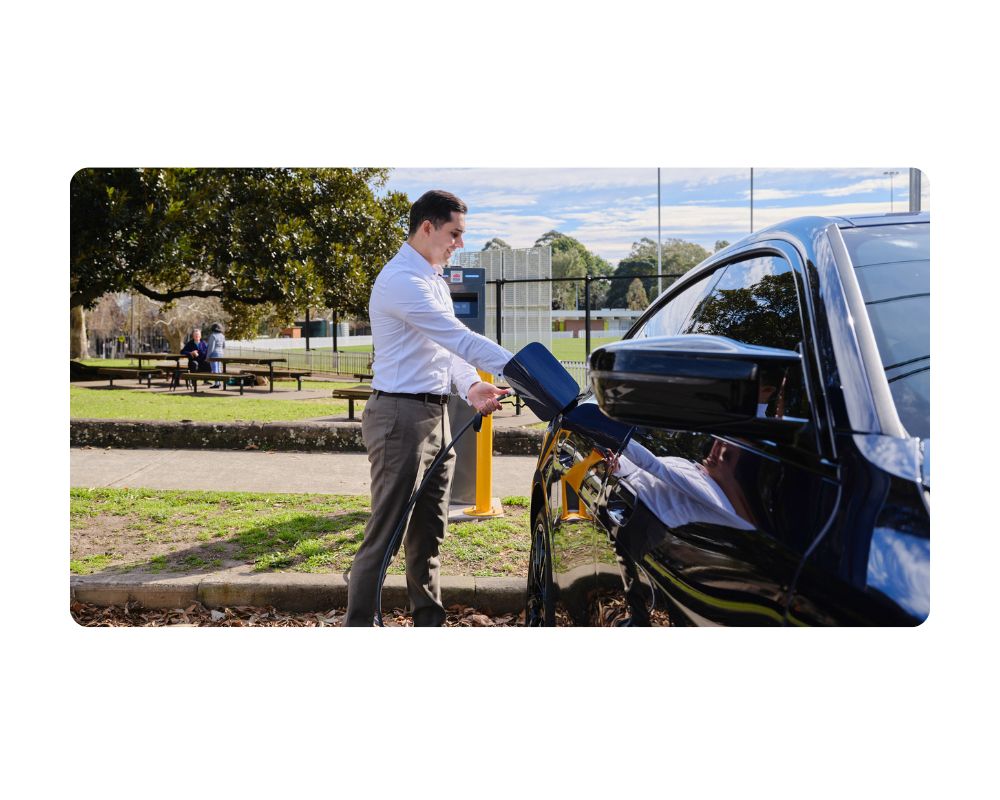
EVSE believes in a green sustainable future by delivering the latest EV Charging technology at the lowest price. All our work is certified and guaranteed with the backing of global brands.
Our team of experts can provide specialist EVSE advice and are available to answer any of your questions over the phone




"*" indicates required fields

Tell us about your car and home to see recommendations.

Stocking the best Electric Car products from the World’s leading brands.

All of our EVSE products are compliant with Australian & International standards.