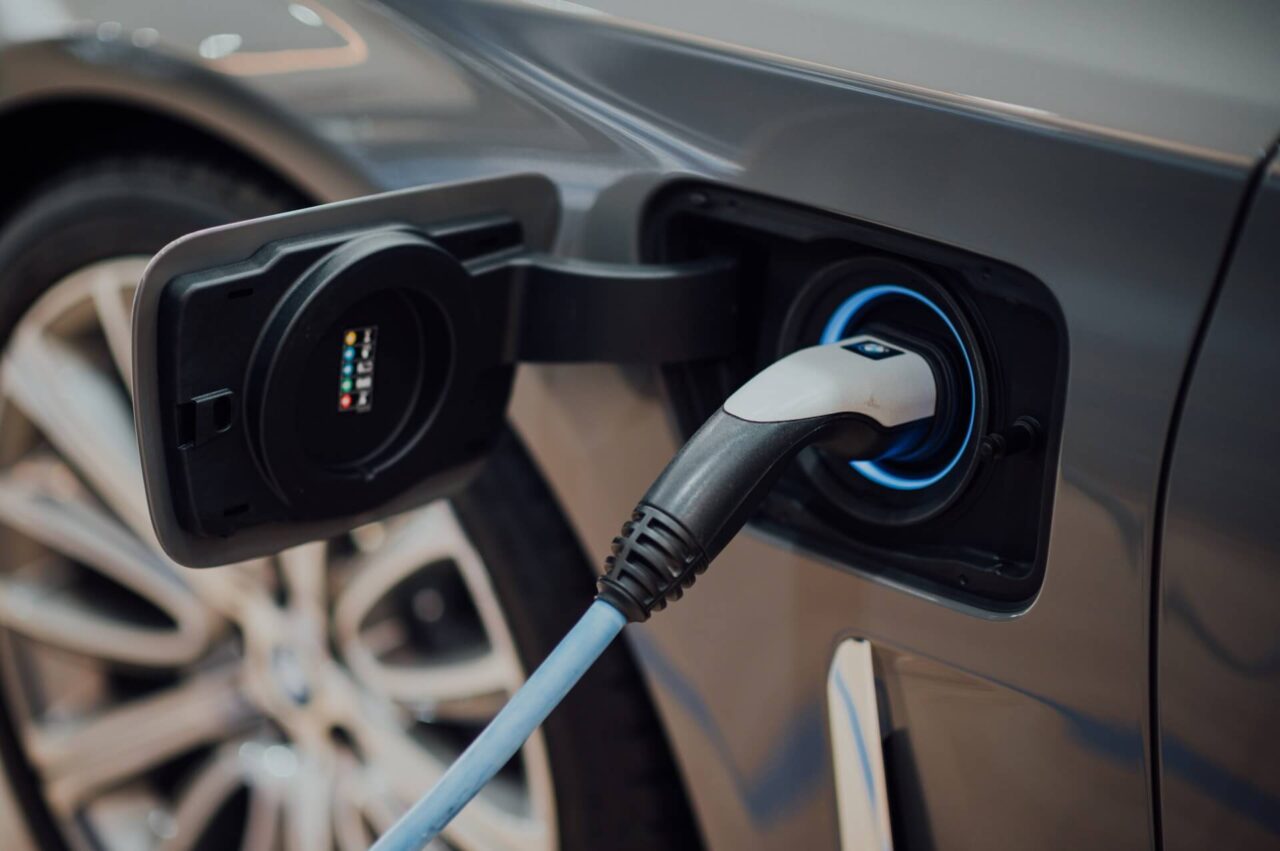
When compared to public charging stations, home charging stations come with their own benefits. If you are getting ready to buy your first electric Renault, by now, you must be wondering whether to install Renault charging stations at your residence. Charging an electric car at home is convenient and makes your life easier. Unlike public charging stations, the home Renault car charger is more convenient, cost-effective, and completely safe.
Considerations Before Buying an EV Charger
- Do you have control over your electric supply? If you do, then installing a Renault charger won’t be an issue. But, if you are living in an apartment or condominium, you must obtain prior approval from the association.
- Check whether your electric service panel has enough space to create a separate circuit for the charging station.
- Choose the right spot for your charging station. The location should be close to the inlet for the connector of the car.
Equipment Options
If you wish to install an EV charger at home, check the specifications provided by the charger manufacturer. Level 1 charging systems are simple, uses 120V, and takes more than 20 hours to reach the full charging potential of the car battery. On the other hand, level 2 charging systems are relatively faster and operates at 240 V. But they require more investment to build than level 1.
Cable Length
The standard cable length of a charging station is 16-foot, but it’s not long enough for most car owners. So, ensure that the cable length is at least 20 to 25 feet long.
Benefits of Installing EV Charging Station at Home
Less Expensive
Unlike buying battery power from a third party, you can pay an initial amount for residential Renault charging stations and get unlimited energy access from the same source. Even though you will notice a slight spike in your electric bill, having a charging station at home can save yourself several trips to public charging stations. If you are installing a level-2 charging station, you must hire an electrician to install it, and you may have to pay a small installation cost.
Convenient Solution
As mentioned earlier, a level 2 car charging station takes about eight to ten hours to charge your EV fully. So for instance, if you are planning a long journey tomorrow and don’t have a car charger installed, you’ve got to go to a public charging station. On the other hand, if you have a home Renault charger installed, all you have to do is plug in the car the night before you travel and go to sleep. So, when you wake up the next day, you are ready to hit the road. The convenience of home charging is unmatchable.
Want to know more about EV charging stations? Contact us now!
-
Job Title - Co-Founder, EVSE Australia
11 years of EV charging deployment history
EV specialist, ev driver, member of AFMA, AEVA, EV Council, HVIA
Sam Korkees is the Co-Founder of EVSE Australia, a leading provider of electric vehicle (EV) charging infrastructure and solutions. Since co-founding the company in 2014 alongside Brendan Wheeler, Sam has played a pivotal role in scaling EVSE from an early-stage startup into a nationally recognised leader in EV charging.
EVSE has delivered some of the country's largest EV fleet and depot charging deployments, supporting the electrification of commercial fleets, logistics operations, and government assets. The company is also recognised as a leader in public charging infrastructure, with extensive experience in the rollout of fast and ultra-fast DC charging networks nationwide.
Sam works closely with government, utilities, and enterprise clients to design and implement scalable, future-ready charging solutions, helping accelerate the adoption of EVs across Australia.
Credentials: 11 years of EV charging deployment history, EV specialist, EV driver, member of AFMA, AEVA, EV Council, HVIA