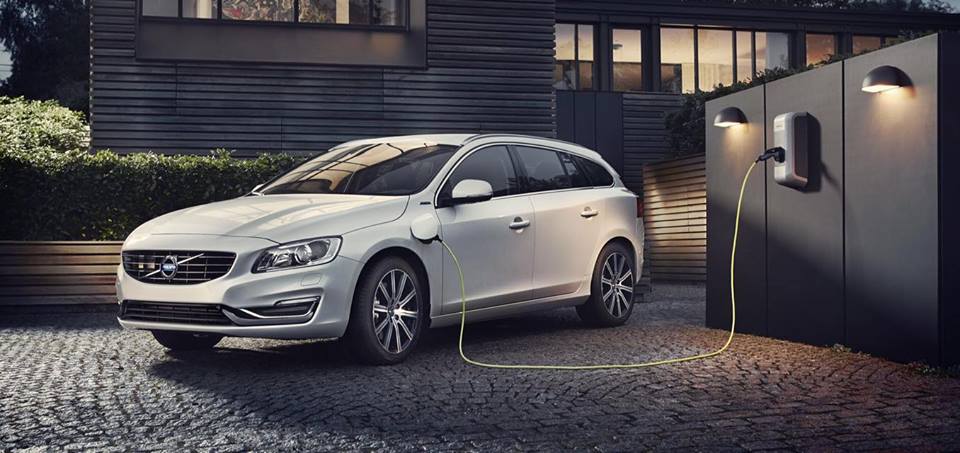
For Australian EV drivers nothing is more important than having easy access to a fast chargepoint to plug in to when they arrive home or park at work.
A home chargepoint will often have a tethered Type 1 (J1772) or Mennekes (Type 2) cable attached to the chargepoint depending on what vehicle you drive. A home chargepoint does not necessarily have to be as fast as public chargepoints because your electric vehicle will often be parked there overnight and for longer periods of time. Further to this, your home chargepoint may not have the availability of three-phase power, limiting your options to a maximum 7.4kW home chargepoint.
Installation costs for a home chargepoint will vary depending on the location of the charger relative to the breaker, exisiting condition of the electrical system and any remedial work which may need to be completed. Just remember to consider where the chargepoint is on the car and what way you would like to park your electric vehicle so you will maintain easy access to your newly installed chargepoint.
Research has shown that if a company installs a workplace EV chargepoint then this significantly increases the EV uptake within that company. Not only does having an EV chargepoint help to attract and retain employees, it gives your workforce a sense of common purpose aligned with your companies’ goals and corporate social responsibility.
When considering a workplace electric vehicle chargepoint you will need to ensure it’s a universal chargepoint with a type 2 socket. A type 2 socket will allow any EV driver to charge regardless of their car or plug type, provided they have the correct EV charging cable. Not only will this increase the utilisation of your investment, but it will also increase the longevity of your chargepoint as there is less potential for damage. Most offices and workplaces will have availability of three-phase electricity, which will allow for 22kW Fast charging from the work chargepoint. To put this into context you can add around 110km of range per hour with a 22kW EV charger. Make sure you clearly stencil and sign the area to not only help you chargepoint stand out, but to ensure the spot is reserved for electric vehicle parking only.
To shop for your home or workplace chargepoint visit our online store.
-
Job Title - Co-Founder, EVSE Australia
11 years of EV charging deployment history
EV specialist, ev driver, member of AFMA, AEVA, EV Council, HVIA
Sam Korkees is the Co-Founder of EVSE Australia, a leading provider of electric vehicle (EV) charging infrastructure and solutions. Since co-founding the company in 2014 alongside Brendan Wheeler, Sam has played a pivotal role in scaling EVSE from an early-stage startup into a nationally recognised leader in EV charging.
EVSE has delivered some of the country's largest EV fleet and depot charging deployments, supporting the electrification of commercial fleets, logistics operations, and government assets. The company is also recognised as a leader in public charging infrastructure, with extensive experience in the rollout of fast and ultra-fast DC charging networks nationwide.
Sam works closely with government, utilities, and enterprise clients to design and implement scalable, future-ready charging solutions, helping accelerate the adoption of EVs across Australia.
Credentials: 11 years of EV charging deployment history, EV specialist, EV driver, member of AFMA, AEVA, EV Council, HVIA