An electric car is a vehicle that is run by using energy stored in rechargeable batteries. If one will compare vehicles run by fuel, electric cars are quieter, have no exhaust emissions, and lower emissions overall.
Those are just some of the beneficial traits that electric cars have. In addition, fully manufactured electric cars are better for the environment because they can help decrease the air pollution outcome in the future. Another benefit of electric cars is the comfort of the drivers and passengers inside the car while driving. The comfort that electric cars offer make people relax and may help them physically and emotionally.
Besides comfort, electric cars possess qualities like artificial intelligence, which can guide drivers and lessen their hardships on the road that fuel manufactured cars cannot provide. An example is that drivers will not have a problem being in traffic or cruising on the open road since electric cars offer self-driving concepts.
Electric cars have many benefits, which is why their popularity increased right after the idea was publicised. Even though that is the case, they still have their shortcomings. One is that electric cars have a shorter range than gas-powered cars. Therefore, if one decides to vacation somewhere far away from the original location, using an electric car is not advisable.
Another issue is that its recharging battery takes time. Going back to the example of going on a vacation far away, it would take time for the individual to reach their destination. Another factor is that it is difficult to find a charging station. Despite the electric car’s popularity, not every place has a charging station. Lastly, electric cars are usually more expensive than fuel manufactured cars. With this, there are not many model options for buyers to choose from. Manufacturers of electric cars tried to compromise these cons, and one model manufacturer who succeeded on this is Nissan.
Nissan Leaf
Nissan offers a lot of models, yet one model is more advanced than the others. Nissan LEAF is one of the best-selling electric cars in the world. It is a second-generation model that gives the buyers a smarter, more confident, and cleaner drive. Unfortunately, manufactured items tend to have issues when applied in day-to-day life. Nissan worked around these challenges by ensuring that minor problems found in electric cars were resolved before manufacturing.
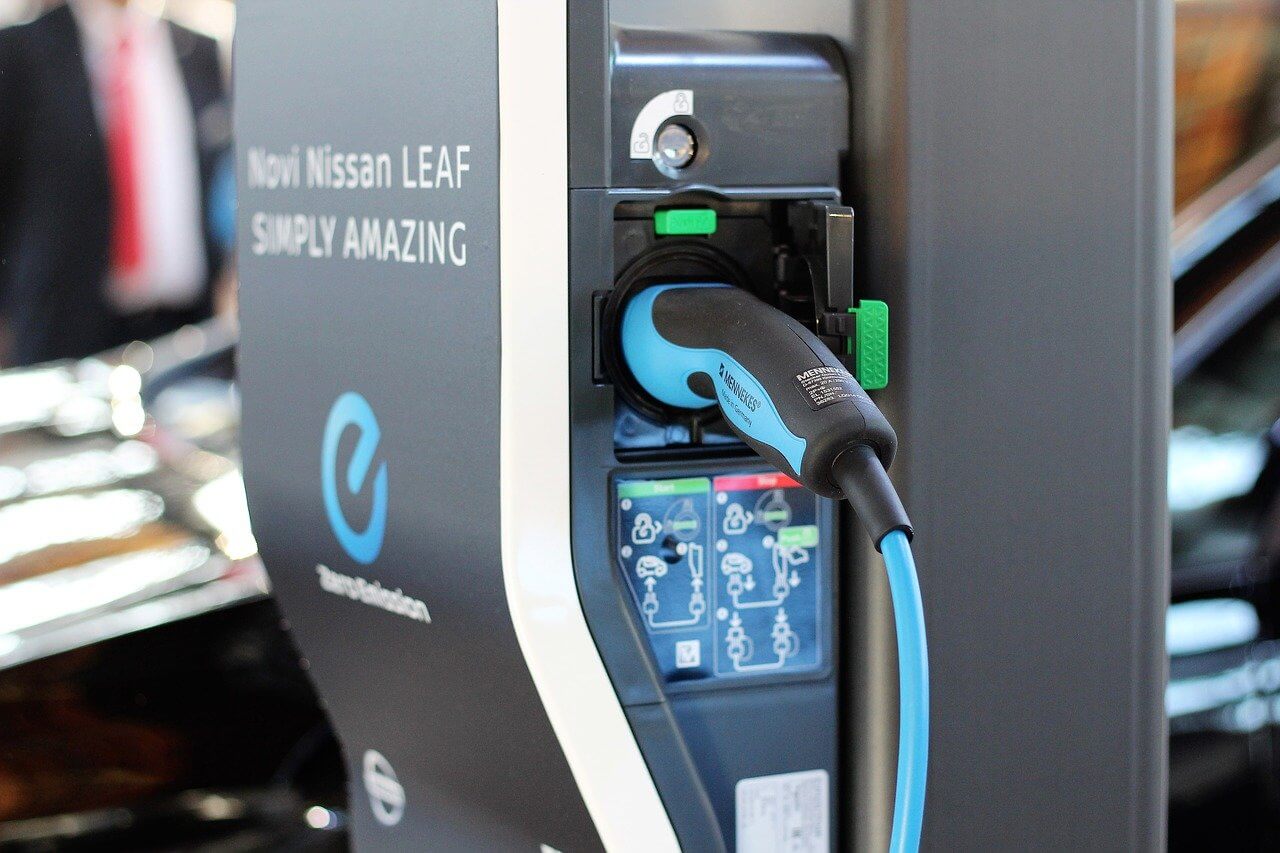
Nissan LEAF offers one charge for one week of driving. The Nissan LEAF charger has two charging standards for its inlets – Type 2 and CHAdeMO. Type 2 is a leaf home charger and a public charger. The CHAdeMO is a high-power charger for rapid DC charging. The minimum time for a Nissan Leaf to be fully charged is 6 hours, while the maximum is 14 hours. This will last for a week, even with busy weekend errands.
Nissan LEAF also offers an easy leaf charging station. Nissan opened thousands of public DC Quick charging stations across countries. This is impressive, especially if one decides to have a long drive to different destinations. In addition, Nissan has partnered with Qmerit, which makes home charging and installation available.
Lastly, Nissan LEAF offers low maintenance costs. Buying a Nissan LEAF might be expensive at first, but it’s a long-term investment that will benefit you in the long run. As a fully functioning electric car, Nissan LEAF allows owners to avoid unnecessary maintenance tasks such as oil changes and top and tune-ups.
-
Job Title - Co-Founder, EVSE Australia
11 years of EV charging deployment history
EV specialist, ev driver, member of AFMA, AEVA, EV Council, HVIA
Sam Korkees is the Co-Founder of EVSE Australia, a leading provider of electric vehicle (EV) charging infrastructure and solutions. Since co-founding the company in 2014 alongside Brendan Wheeler, Sam has played a pivotal role in scaling EVSE from an early-stage startup into a nationally recognised leader in EV charging.
EVSE has delivered some of the country's largest EV fleet and depot charging deployments, supporting the electrification of commercial fleets, logistics operations, and government assets. The company is also recognised as a leader in public charging infrastructure, with extensive experience in the rollout of fast and ultra-fast DC charging networks nationwide.
Sam works closely with government, utilities, and enterprise clients to design and implement scalable, future-ready charging solutions, helping accelerate the adoption of EVs across Australia.
Credentials: 11 years of EV charging deployment history, EV specialist, EV driver, member of AFMA, AEVA, EV Council, HVIA