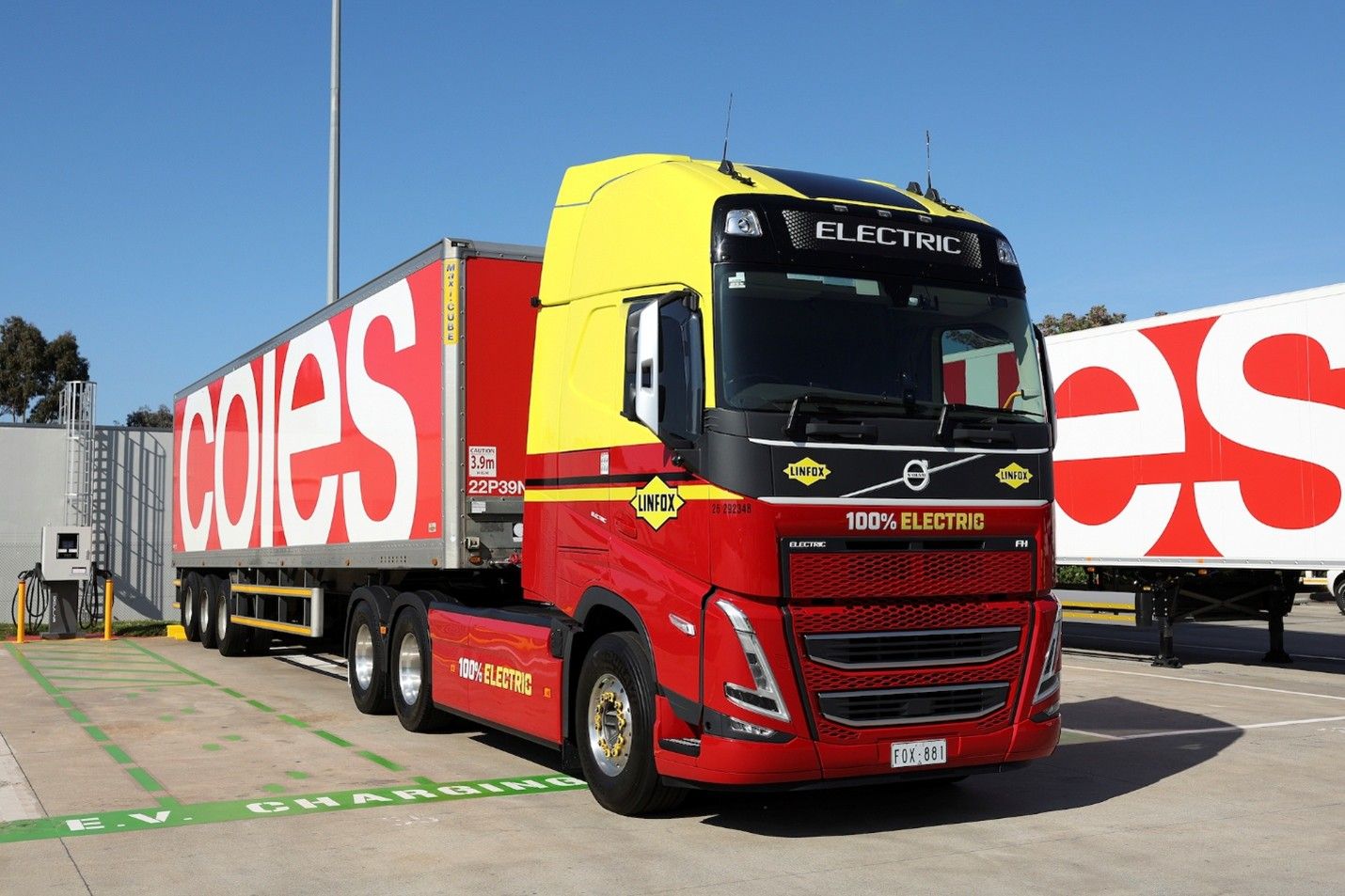
How EVSE Australia designed charging infrastructure that actually works: Linfox
Electrifying Freight
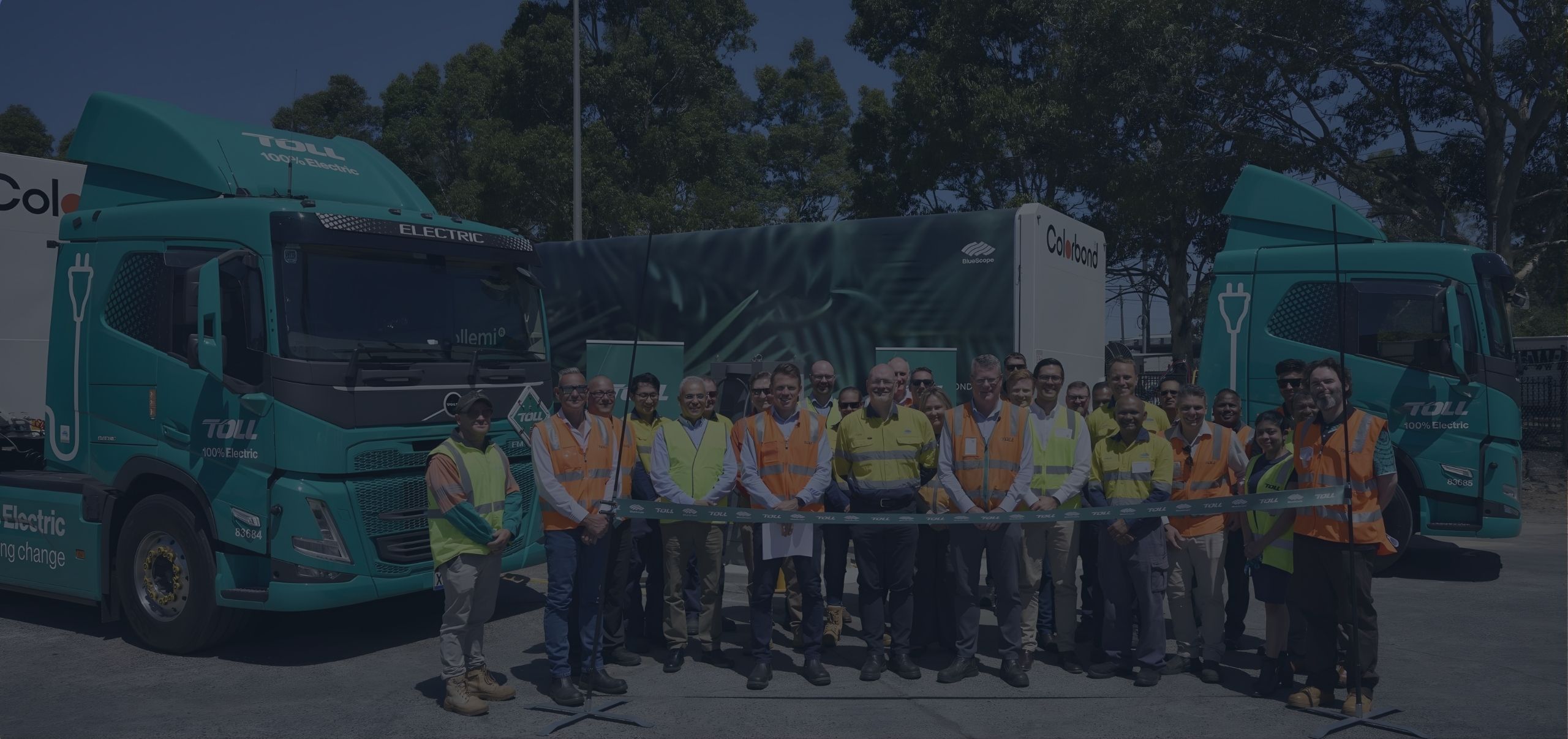
Electrifying heavy transport sounds straightforward on paper — replace diesel trucks with electric ones and reduce emissions. But when Toll Australia began rolling out electric trucks under an ARENA-supported initiative across nine depots nationwide, it quickly became clear that the trucks themselves weren’t the only challenge.
The real challenge was everything around them.
The Reality of a Working Freight Depot
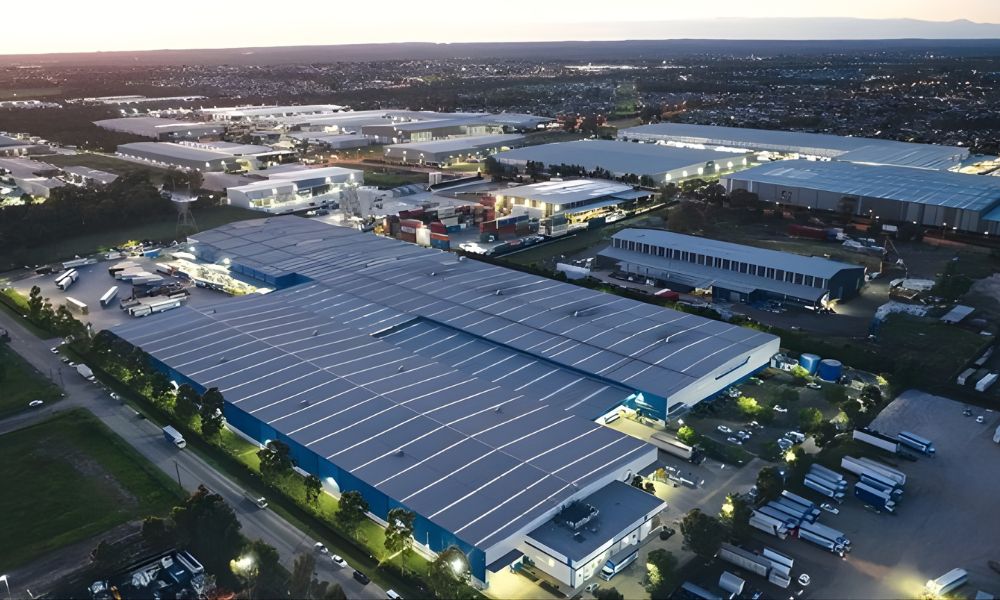
Freight operations don’t have the luxury of downtime. Trucks leave early, return late, and often run on tight, non-negotiable delivery windows. A delay of even an hour can ripple across customers, contracts, and supply chains.
Diesel works in this environment because it’s fast and predictable. Pull in, refuel, and you’re back on the road. Electric trucks change that equation completely. Charging takes longer, vehicles don’t all return at the same time, and unlike a fuel bowser, you can’t simply scale up without thinking carefully about power supply, infrastructure, and cost.
For Toll, this created a fundamental tension: how do you introduce electric trucks into a system that was never designed for them?
Where Things Started to Break
As the project progressed across nine sites, several key challenges emerged:
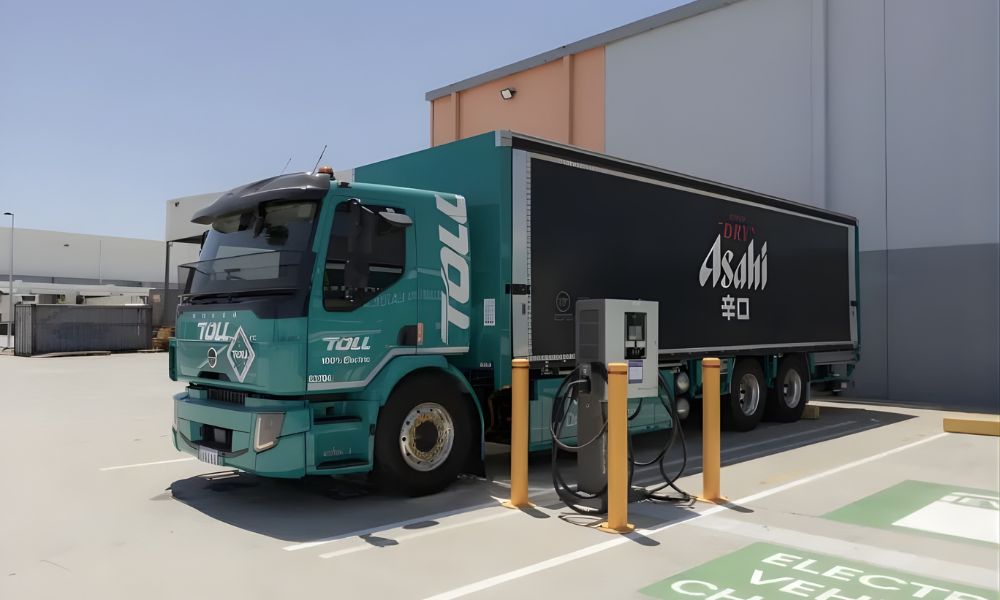
- Depot sites didn’t have the electrical capacity to support multiple high-powered chargers. Even where power was available, the layout of the yard often made it difficult for large trucks to access charging equipment safely and efficiently.
- There was also no established playbook. Unlike passenger EVs, heavy vehicle charging at scale is still new—especially across multiple sites with different constraints, landlords, and operating conditions.
- And then there was the operational risk. Some vehicles carried gas assets, others carried FMCGs, others large steel manufacturing material. If charging wasn’t reliable, safe or properly aligned with fleet schedules, trucks would either sit idle waiting for power, be non-operational or miss their next run entirely.
- At that point, it became clear that electrification wasn’t just a vehicle decision. It was an infrastructure, operations & safety challenge.
It became clear that electrification wasn’t just a vehicle decision — it was an infrastructure, operations, safety, and compliance challenge.
Designing the Charging Infrastructure Around the Fleet
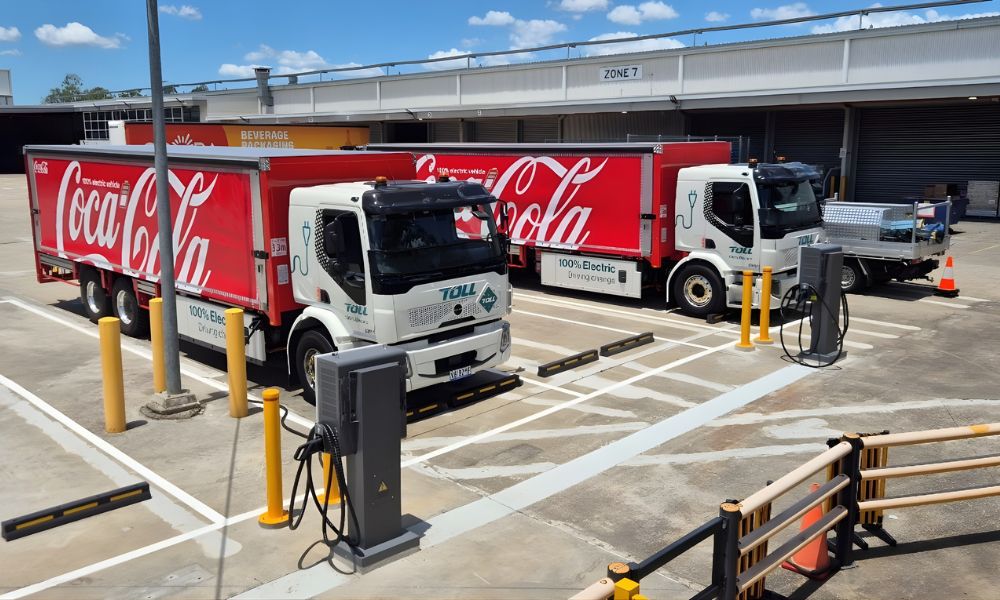
This is where EVSE Australia came in. Rather than treating charging as a bolt-on, the approach was to design it as a core part of each depot’s operating system.
Return-to-Base Model
The first shift was moving to a return-to-base charging model. Trucks complete their daily routes and charge on return – typically overnight – removing reliance on public infrastructure or mid-route charging stops.
Site-by-Site Customisation
Each of the nine depots was treated as an individual project. Charger types, power levels, and placement were matched to the actual duty cycle of the vehicles at that location. Some trucks needed faster turnaround; others could charge slowly overnight. There was no one-size-fits-all solution.
Smart Energy Management
Rather than upgrading every site to maximum grid capacity, smart load management was deployed to balance demand across multiple chargers and keep within existing grid constraints where possible. Charging schedules were also aligned with off-peak tariff periods to reduce ongoing energy costs.
Safe Installation: Compliance, Approvals, and Fire Risk
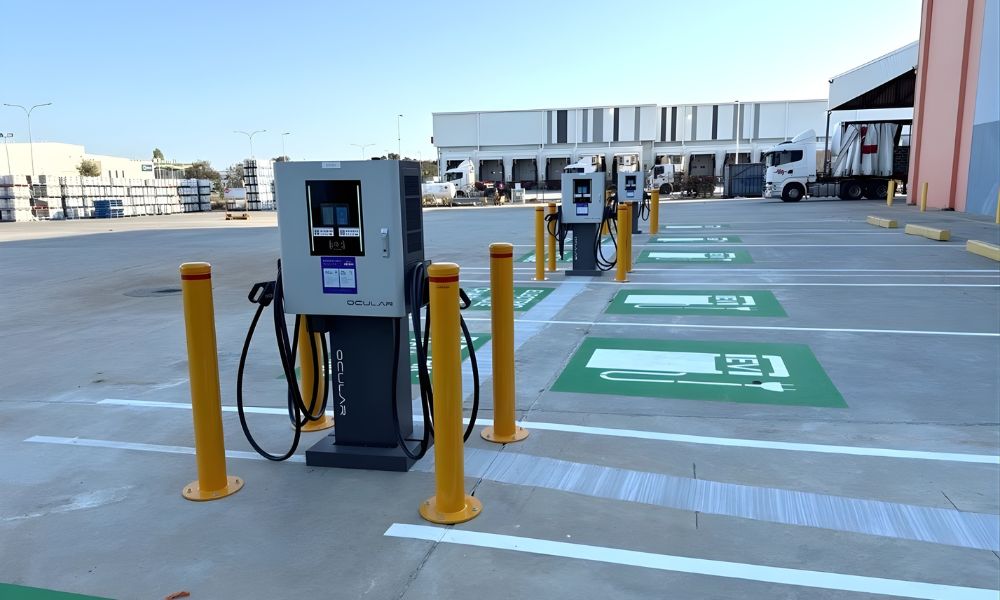
One of the most significant, and often underestimated, aspects of the project was the rigorous process required to gain the approvals necessary to install high-powered DC charging infrastructure across commercial freight depots.
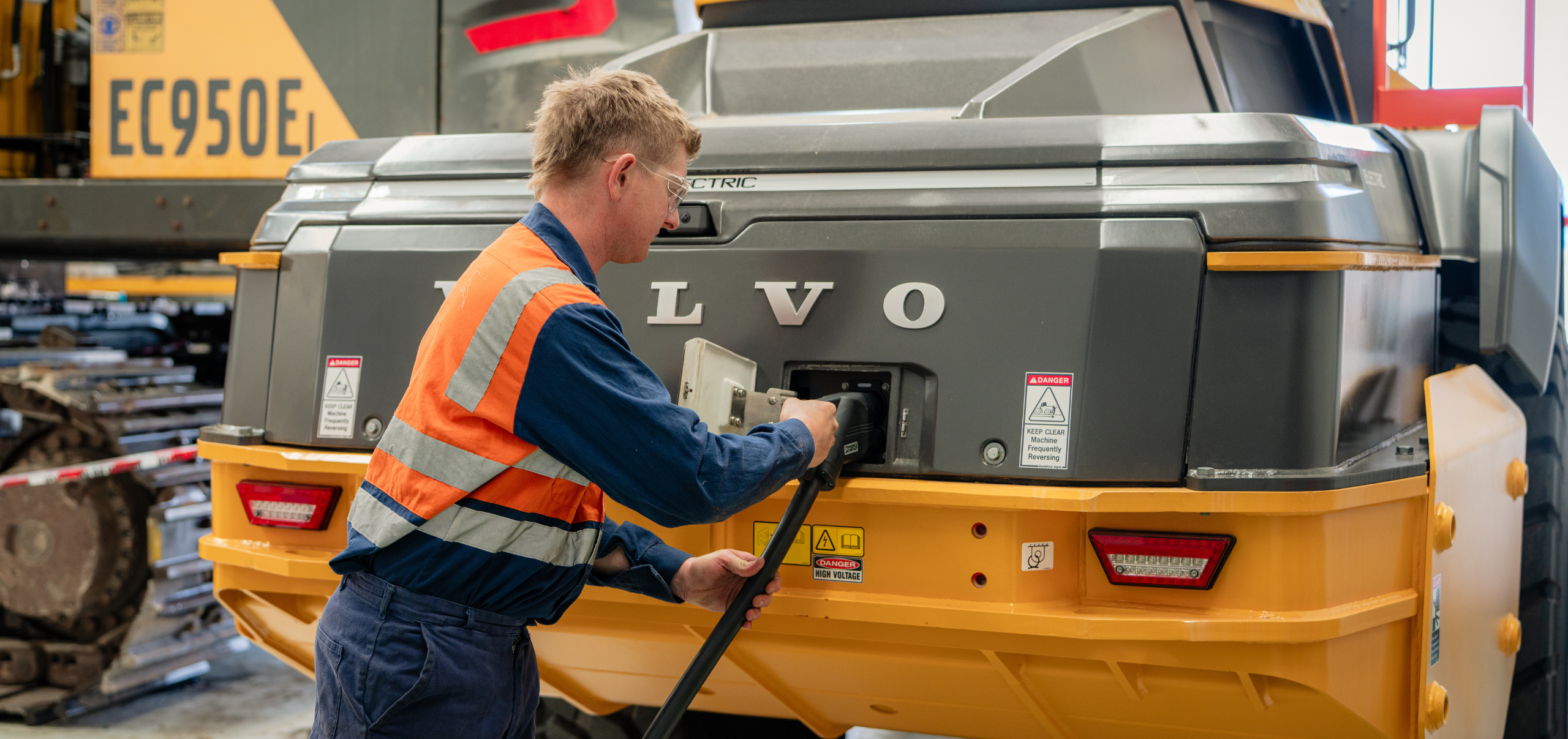
Given the nature of the sites, operating fleets carrying gas assets, FMCGs, and industrial materials, safety was non-negotiable. EVSE Australia developed a detailed installation methodology for each site that addressed:
- Fire risk mitigation – charger placement, cable routing, and proximity to fuel sources and high-risk cargo were all assessed and designed to minimise ignition risk.
- Scalable infrastructure – conduit runs, switchboard configurations, and civil works were designed with future expansion in mind, avoiding costly re-works as fleets grow.
- Regulatory and town planning compliance – some sites required town planning permits and approvals that addressed zoning, electrical load, and safety standards specific to that location.
- Landlord approvals – where Toll operated from leased premises, EVSE Australia worked through the approval process with landlords, providing technical documentation, proposed layouts, and assurances around reinstatement – often abiding by the landlords EV charging requirements.
- Insurance requirements – installation methodology and equipment specifications were documented to satisfy the insurance requirements of both the depot operators and site owners. For example, chargers to be located 10m from the building wall and 10m from fire extinguisher locations.
This level of diligence added time to the pre-installation phase, but it was essential – not just for regulatory compliance, but for building confidence across all stakeholders that the infrastructure was safe, fit-for-purpose, and built to last.
Why this matters:
Approvals processes for heavy vehicle EV charging are still evolving in Australia. Without a structured approach to town planning, landlord, and insurance requirements, projects of this scale can stall indefinitely. Getting this right early is what allowed all nine depots to proceed on schedule.
Ongoing Support: The EVSE Shield Package
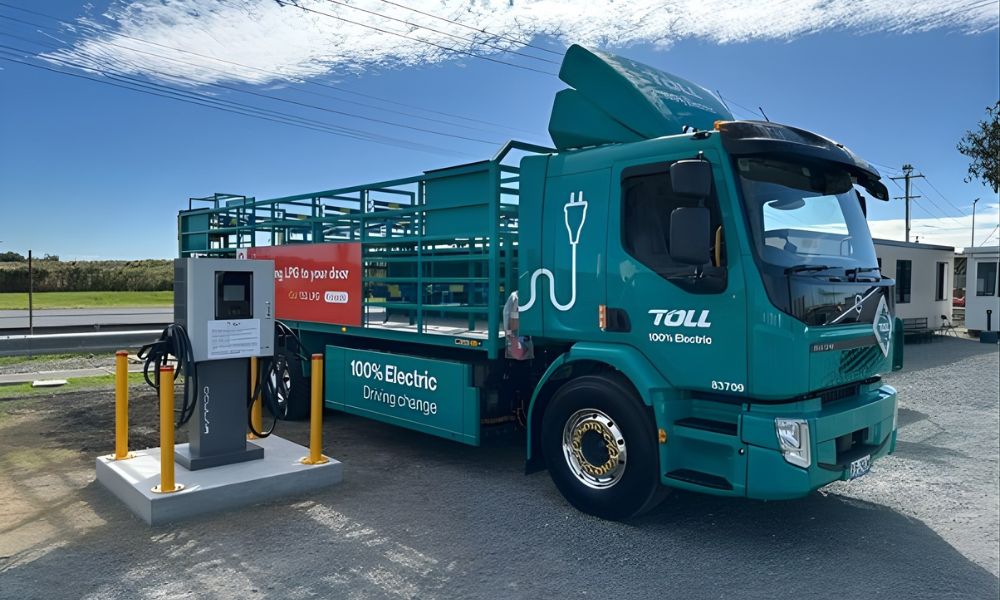
Completing the physical installation was only part of the commitment. For a fleet operator like Toll, long-term reliability of the charging infrastructure is just as important as getting it built. Downtime on a charger doesn’t just mean an inconvenience – it can mean a truck doesn’t go out.
To ensure the infrastructure continues to perform, EVSE Australia implemented its ongoing EVSE Shield Service Level Agreement across all nine sites. This package provides:
- Bi-annual preventative maintenance – scheduled maintenance visits twice per year at every depot, covering physical inspection, connection checks, and system health assessments.
- Priority service response – a dedicated priority response agreement ensures that any fault or outage at a depot is escalated and addressed ahead of standard service queues, minimising operational disruption.
- Live tracking and ticketing dashboards – operational staff at each depot have access to real-time dashboards showing charger status, session data, and any active service tickets – giving site managers full visibility without needing to contact support.
The EVSE Shield Package transforms the charger network from a set of individual assets into a managed, monitored system – one that the business can rely on in the same way it relies on any other critical piece of depot infrastructure.
Turning a Constraint into a System
Once charging was properly integrated – with the right infrastructure, the right approvals, and the right ongoing support – something shifted.
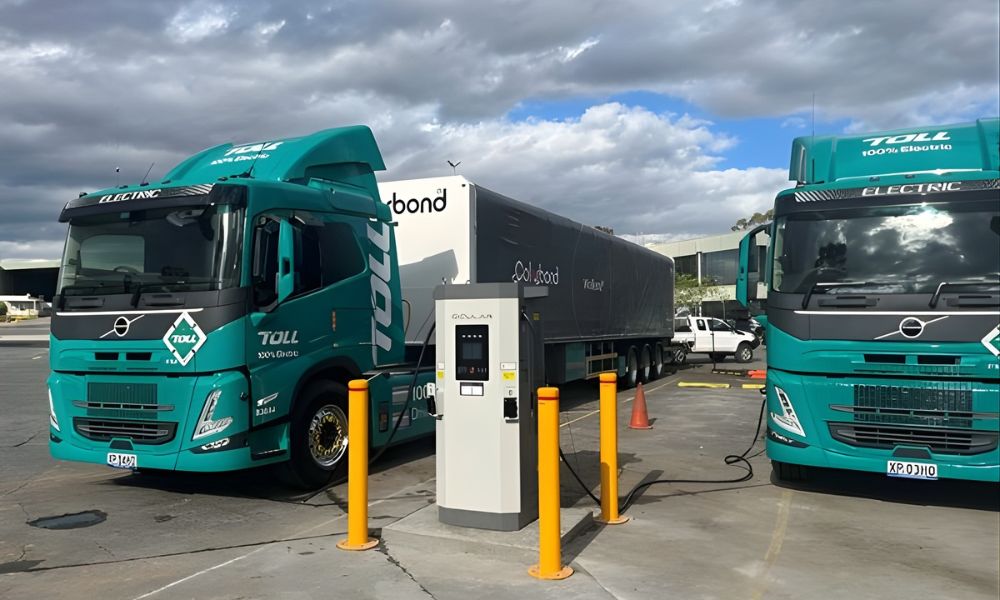
Electric trucks stopped being a risk to operations and started behaving like any other asset in the fleet. They completed their routes, returned to base, charged, and went out again the next day.
The infrastructure wasn’t just supporting the trucks. It was enabling them.
What Others Can Take From This
For fleet operators considering electrification, the lesson is straightforward:
If charging is treated as an afterthought, it becomes a bottleneck. If it’s designed around the way your fleet actually runs – with the right approvals, safety methodology, and ongoing support in place – it becomes a genuine operational advantage.
In Toll’s case, partnering with EVSE Australia across nine depots turned a complex, high-risk transition into something practical and scalable.
The broader industry truth:
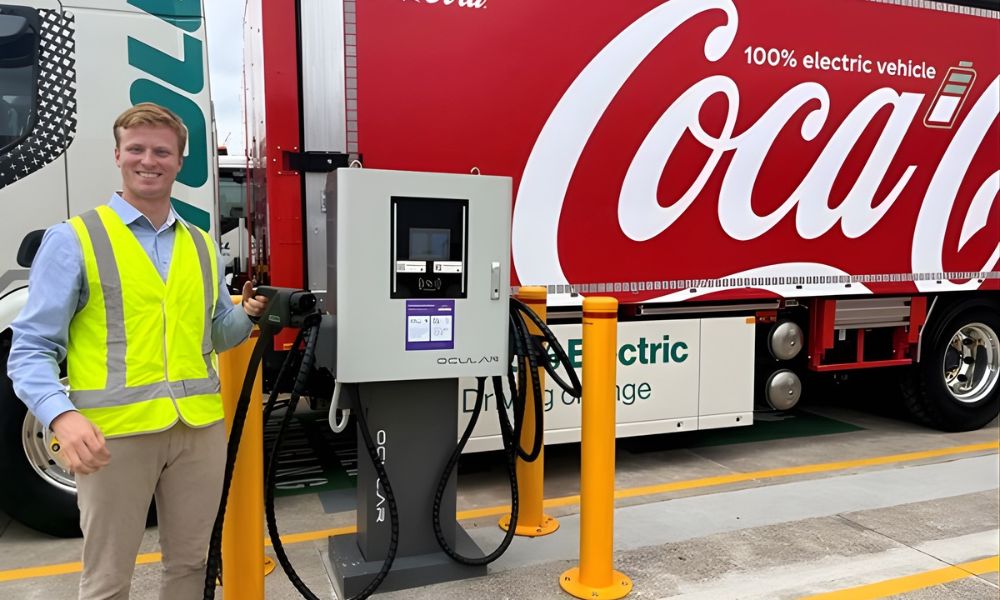
Electric trucks don’t fail because of the vehicles. They fail when the infrastructure isn’t built for the job – and when the support systems aren’t in place to keep that infrastructure running.